

















Staying in hotels or resorts can elevate your travel experience, transforming a simple trip into a luxurious escape or a comfortable base for adventure. This guide will walk you through practical tips and insider knowledge to make your hotel stays smoother, more enjoyable, and even more affordable, ensuring you get the most out of your accommodation every time.
Booking isn’t just about finding the cheapest room; it’s about finding the right room at the right price for you.
Timing is Everything
Ever noticed how prices fluctuate? That’s not just a coincidence.
- Book Early for Peak Seasons: If you’re traveling during holidays, major events, or high season, locking in your room months in advance can save you a bundle and guarantee availability, especially for popular destinations or specific room types. Waiting too long risks higher prices and fewer choices.
- Last-Minute Deals (with caution): Sometimes, hotels will drop prices a day or two before check-in to fill empty rooms. This can work for spontaneous trips to less-in-demand locations, but it’s a gamble and not recommended for critical bookings.
- Mid-Week vs. Weekend: Business hotels often have lower rates on weekends, while leisure-focused resorts might be cheaper mid-week. Adjusting your travel dates by even one day can sometimes significantly impact the price.
- Shoulder Seasons are Your Friend: Traveling just before or after the peak season often means fewer crowds, pleasant weather, and noticeably lower accommodation rates. This sweet spot gives you many of the benefits of peak season without the peak prices.
Beyond the Popular Booking Sites
While aggregators are convenient, don’t stop there.
- Check the Hotel’s Official Website: Seriously, do this. Hotels often offer exclusive deals, loyalty program benefits, or package deals not found elsewhere. They want you to book directly, and sometimes they reward you for it. Plus, if there’s a problem with your booking, it’s much easier to resolve directly with the hotel.
- Loyalty Programs are Gold: If you frequently stay with a particular brand (Marriott, Hilton, etc.), join their loyalty program. Free Wi-Fi, room upgrades, late checkout, and even free nights accumulate quickly. The perks alone can be worth consolidating your stays.
- Consider Bundles (Flight + Hotel): Sometimes, booking your flight and hotel together through an online travel agency can offer substantial savings. Just be sure to compare the bundled price against booking each separately.
- Read Between the Lines of Reviews: Don’t just look at the star rating. Dive into the recent reviews. Filter by “solo traveler,” “family,” or “business” to get relevant insights. Look for recurring themes – is the air conditioning consistently faulty? Is the breakfast praised or panned? Are staff mentioned by name for good or bad service? Pay special attention to responses from hotel management; it shows they care.
Maximizing Your Stay: Getting the Most Value
You’ve booked the room; now how do you make the most of it before and during your stay?
Pre-Arrival Pointers
A little proactive effort goes a long way.
- Communicate Special Requests Early: If you need an accessible room, a crib, a quiet room away from the ice machine, or adjoining rooms, let the hotel know before you arrive. Don’t wait until check-in. This gives them time to accommodate your request when setting up the room assignments. Use an email so you have a written record.
- Confirm Your Reservation: A quick call or email a few days before arrival can prevent stressful surprises. It’s rare, but sometimes reservations get lost or mixed up. Better safe than sorry.
- Check for Hidden Fees: Resort fees, parking fees, pet fees, Wi-Fi fees – these can add up. Check the fine print on your booking confirmation or the hotel’s website. If you’re unsure, call and ask. Sometimes these fees are non-negotiable, but at least you’ll be prepared.
- Look Up Transportation Options: How are you getting from the airport to the hotel? Does the hotel offer a shuttle? Is public transport an option? Knowing this in advance saves you from frantic searches or inflated taxi fares upon arrival.
At Check-in & During Your Stay
This is where your stay truly begins.
- Politeness Pays Off: A friendly smile and a polite demeanor at check-in can work wonders. Front desk staff have a lot of discretion when it comes to upgrades or granting requests.
- Ask About Upgrades (Politly): If you’re celebrating something special (birthday, anniversary), or if you’re a loyalty member, politely mentioning it and asking if any upgrades are available never hurts. Be prepared for a “no,” but sometimes you’ll be pleasantly surprised.
- Inspect Your Room Immediately: Before unpacking everything, do a quick scan. Is everything working? Is the room clean? Are there any obvious issues? If so, report them immediately. It’s much easier to resolve issues before you’ve settled in.
- Understand Your Room Type: What facilities does your specific room category include? Not all “standard rooms” are created equal. Do you have a mini-fridge, safe, iron, hairdryer? Knowing this prevents unnecessary calls to the front desk.
- Leverage Concierge Services: Don’t underestimate the concierge. They are local experts! They can recommend restaurants, book tours, arrange transportation, and offer insights you won’t find in guidebooks. Even if you think you know it all, a local perspective can unlock hidden gems.
- Don’t Be Afraid to Ask: Need an extra pillow? Forgot your toothbrush? Want recommendations for a local cafe? Hotel staff are there to help. Within reason, most requests can be accommodated.
- Utilize On-Site Amenities: Don’t just pay for amenities; use them! Are there pools, gyms, spas, business centers, or kid’s clubs? Factor these into your daily plans, especially if you’re paying a resort fee that covers them.
- Understand Wi-Fi Access: Is Wi-Fi free? Is it fast enough for your needs? Some hotels offer basic free Wi-Fi but charge for premium speeds. Know before you go to avoid unexpected bills.
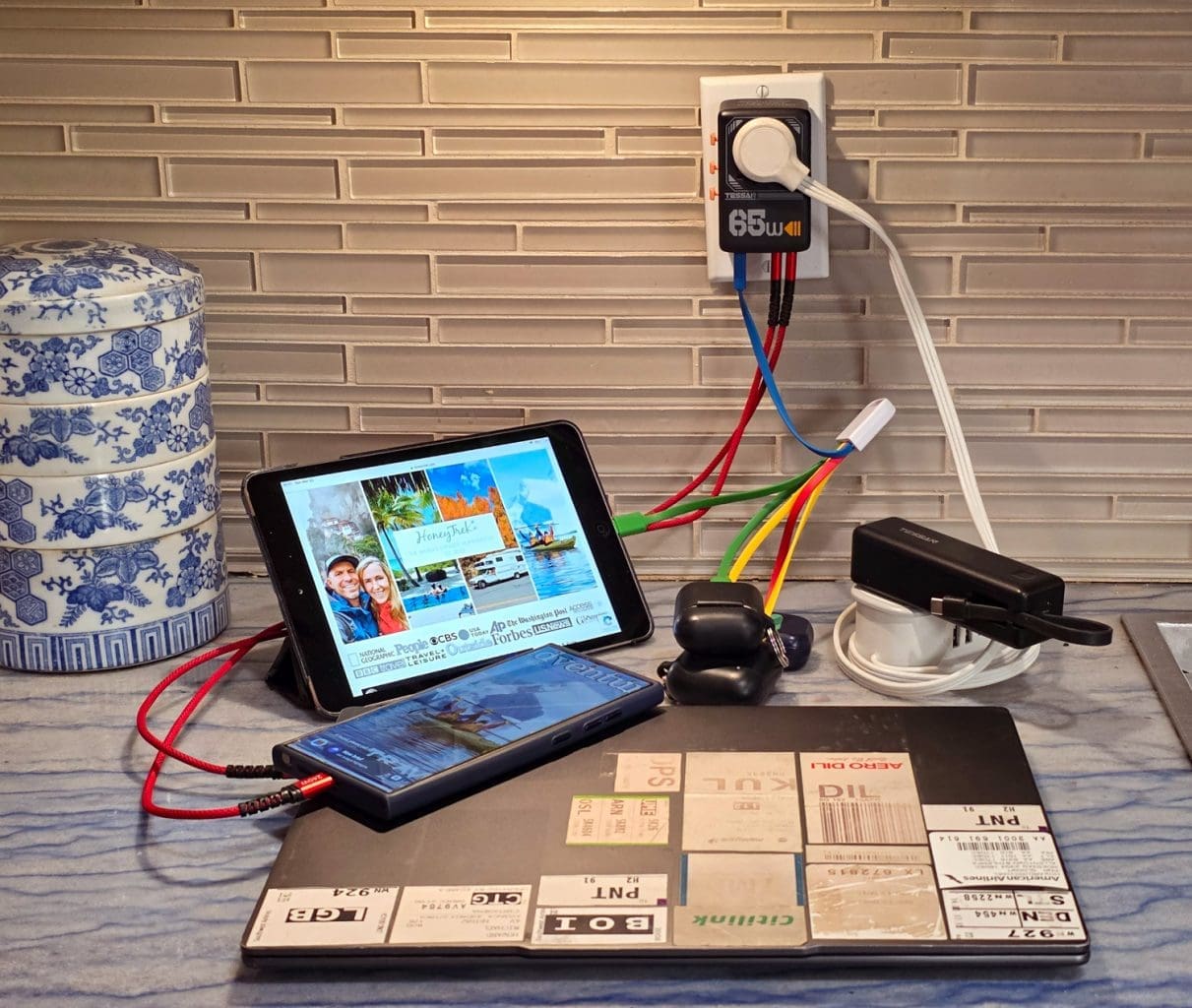
- Power Adapter and Converter Knowledge: Traveling internationally? Always pack the right power adapters and converters for your electronics. Check the voltage of your devices and know the local standard.
Safety & Security: Peace of Mind on the Road

Your safety is paramount. Hotels, while generally safe, require a few practical considerations.
In Your Room
Simple habits can make a big difference.
- Use the Door Latch/Chain: Always use the secondary security latch or chain when you’re in your room, especially at night. It’s a simple, low-tech deterrent.
- Lock Valuables in the Safe: Don’t leave cash, passports, or expensive electronics lying around. Use the in-room safe. If there isn’t one, check if the hotel offers a safe deposit box at the front desk.
- Never Say Your Room Number Aloud: When checking in, you’ll often be asked to confirm your room number. If the front desk announces it loudly, politely ask them to whisper or write it down. This prevents strangers from knowing where you’re staying.
- Check Fire Exits: Take a minute to locate the fire exit closest to your room. Count the doors between your room and the exit so you can find it even in the dark or smoke. It’s a small task that could save your life.
- Be Wary of Unexpected Visitors: If someone knocks on your door claiming to be staff, don’t open it immediately. Verify with the front desk via phone, especially if you weren’t expecting anyone.
- Use Your Key Card for Everything: Keep your key card with you. It not only unlocks your door but often activates the electricity in your room (in some hotels) and gives you access to facilities like the gym or pool, ensuring only guests are using them.
- Luggage Security: When leaving for the day, consider locking your luggage, even if it’s in the room. This is a good general practice for peace of mind.
Around the Hotel
Extend your awareness beyond your room.
- Be Aware of Your Surroundings: Whether in the lobby, elevator, or hotel restaurant, pay attention to who’s around you. Trust your gut feeling.
- Don’t Flash Valuables: Keep expensive jewelry, gadgets, and large amounts of cash discreet. This makes you less of a target.
- Secure Your Belongings in Public Areas: Don’t leave your phone unattended on a table in the lobby or your bag unwatched by the pool.
- Use Well-Lit Areas: If walking around the hotel at night, stick to well-lit and populated areas.
Check-out & Beyond: Leaving on a High Note

Your stay isn’t over until you’ve checked out properly.
The Farewell Process
Make sure you leave gracefully and efficiently.
- Review Your Bill Carefully: Before paying, meticulously check your bill for any unauthorized charges. Mini-bar items you didn’t consume, extra services you didn’t use, or incorrect daily rates can appear. It’s much easier to resolve these issues before you leave.
- Express Feedback (Constructively): If you had an excellent stay or experienced minor issues, let the front desk know. Positive feedback is always appreciated, and constructive criticism helps hotels improve.
- Don’t Forget Anything: Do a final sweep of the room: closets, drawers, bathroom, and under the bed. It’s amazing what gets left behind.
- Eco-Friendly Departure: If the hotel has a towel reuse program or other eco-initiatives, participate. It minimizes your environmental footprint.
- Transportation Back: Just as you planned your arrival, confirm your departure transportation. Is your taxi booked? Does the shuttle run at the right time?
Post-Stay Tips
A few lingering thoughts.
- Loyalty Points Posting: If you’re part of a loyalty program, ensure your points are credited correctly to your account. Give it a few days, then follow up if they don’t appear. Keep your receipt.
- Share Your Experience: Leave an honest review online. This helps future travelers and provides valuable feedback to the hotel. Be specific about what you liked and what could be improved.
- Keep Receipts: Hold onto your hotel receipts, especially if traveling for business, for expense tracking or in case a dispute arises later.
Making the Most of Your Resort Stay: Beyond the Room
| Category | Tips & Recommendations |
|---|---|
| Travel Essentials | Pack light, bring essential documents, and carry a universal adapter. |
| Hotel Selection | Consider location, amenities, and reviews when choosing a hotel. |
| Resort Activities | Explore water sports, spa treatments, and local excursions offered by the resort. |
| Dining Options | Try local cuisine, make reservations in advance, and ask for recommendations from hotel staff. |
Resorts offer a different kind of experience, often with a wealth of activities and services designed to keep you on-site.
Embrace the Amenities
You’re paying for it, so use it!
- Explore Dining Options: Resorts often have multiple restaurants, from casual to fine dining. Check out their offerings, make reservations if needed, and explore different culinary experiences. Don’t just stick to one venue.
- Dive into Activities: Many resorts offer a packed schedule of activities: yoga classes, cooking demonstrations, water sports, kids’ clubs, evening entertainment, guided tours. Look at the daily schedule and sign up for what interests you. This is where you get incredible value.
- Pools, Beaches & Recreation: Don’t just dip a toe in. Spend time by the pool, relax on the beach, or try beachfront activities like paddleboarding or snorkeling if available. Find those quiet corners for relaxation.
- Spa and Wellness: Consider booking a spa treatment. While often an additional cost, it can be a highlight of your relaxation. Many resorts also have well-equipped gyms, often included in your stay.
- Kids’ Clubs and Family Programs: If traveling with children, these can be a lifesaver, giving parents some much-needed downtime while kids are kept entertained and supervised. Research these options in advance.
Resort-Specific Considerations
A few unique aspects of resort life.
- All-Inclusive vs. A La Carte: Understand what your booking includes. All-inclusive can be great for budgeting, but sometimes limited menus or lower quality can be an issue. A la carte offers more flexibility and potentially higher quality, but requires managing your budget more closely.
- Resort Layout: Resorts can be huge. Familiarize yourself with the layout upon arrival. Are there shuttles? Golf carts? Walking paths? Knowing how to get around efficiently saves time and energy.
- Tipping Culture: Understand the local tipping customs, especially at resorts where many staff members contribute to your experience (e.g., housekeepers, bellhops, servers, activities staff).
- Excursions and Day Trips: While resorts are designed to keep you on-site, sometimes a day trip can enhance your experience. Check what excursions the resort offers or if local providers are better researched. Balance relaxation with exploration.
- Managing Your Schedule vs. Relaxation: It’s easy to overschedule yourself with all the resort activities. Remember, it’s also a vacation. Build in downtime for relaxation, reading by the pool, or simply doing nothing.
By keeping these tips in mind, you’ll transform your hotel and resort stays from mere accommodation into an integral, and often highlight, part of your travel adventure. Happy travels!