






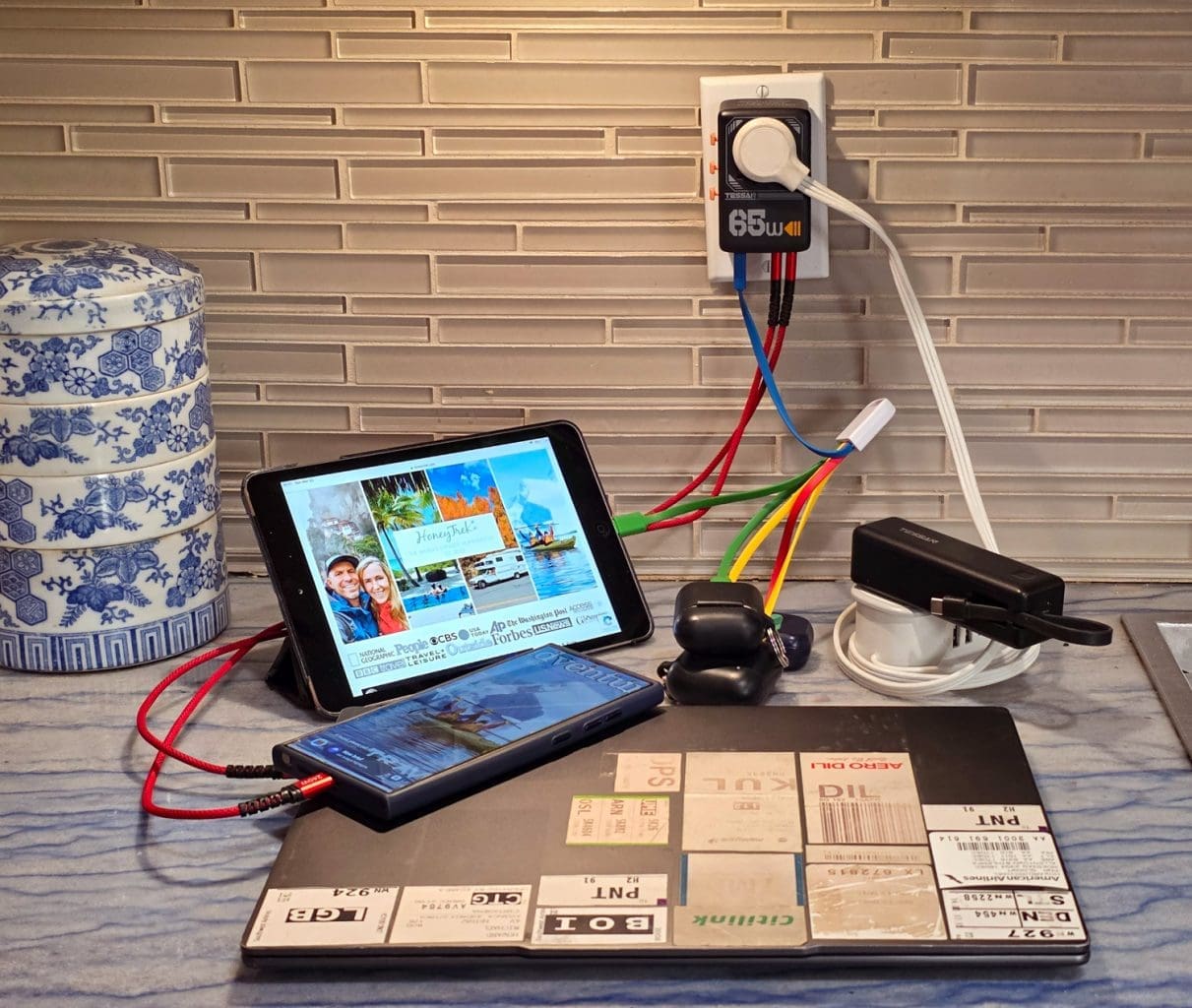











Flying can be a bit of a mixed bag, right? Exciting destinations, new experiences, but then there’s the whole airport dance, the sitting still for hours, and the occasional curveball. The good news is, you don’t have to navigate it all blind. A solid ebook can be your secret weapon for making air travel less of a headache and more of a smooth sailing experience. Think of it as having an experienced travel buddy whispering tips in your ear, without taking up precious carry-on space.
Airport navigation can be the first hurdle, even for seasoned travelers. Knowing the ins and outs before you even leave home can save you a lot of stress.
Pre-Flight Prep That Actually Works
Before you even think about stepping out the door, there are a few things you can do to set yourself up for success. It’s not just about packing your bags, it’s about packing your brain with the right info.
Decoding Your Tickets and Itinerary
Those confirmation emails and boarding passes aren’t just for show. Take a good look at them. What gate number do you have? Are there multiple terminals? What’s your boarding zone? Double-check your flight times – local time versus your home time can be a real gotcha. Some airlines offer handy app integrations that keep all this in one place, so you’re not digging through emails while juggling a coffee and a carry-on. Understanding whether you have connecting flights and the layover times is crucial. A short connection might mean you need to be quick, while a longer one could mean time for a meal or a stretch.
Understanding Security Checkpoints
Security is probably the biggest variable in airport waiting times. Knowing what to expect makes a world of difference. Liquids, electronics, shoes – what needs to be out, what can stay in? Many airports have varying rules or systems (like TSA PreCheck or Clear in the US), and knowing if you qualify or if your destination airport uses a different process can save you a lot of fumbling. An ebook can provide region-specific tips for security, helping you move through efficiently without holding up the line. Knowing about the 3-1-1 rule for liquids (3.4 ounces or 100 milliliters, in a 1-quart-sized bag, one bag per passenger) is fundamental.
Navigating Terminal Layouts
Modern airports are cities in themselves. Knowing which terminal you’re flying from and whether you need to take a shuttle or train to get there is vital. Many airport websites have interactive maps that are great, but a good ebook can highlight common bottlenecks or shortcuts that online maps might miss. This can be especially helpful for large international hubs where terminals can be spread out. Look for information on where gates are located in relation to security and amenities like restrooms or food courts.
Packing Smart for Any Journey
Packing is an art and a science. It’s about optimizing space, adhering to rules, and ensuring you have what you need without overdoing it.
The Carry-On Conundrum Solved
Your carry-on is your lifeline. What goes in it can make or break your in-flight experience, and knowing airline restrictions can prevent costly surprises.
Essentials, Not Everything
Think about what you truly can’t live without or can’t easily replace if your checked bag goes rogue. Medications, important documents, a spare change of clothes, and anything valuable should always be in your carry-on. An ebook can offer printable checklists that remind you of these core items. Forget the “just in case” items that rarely see the light of day. Focus on versatile clothing that can be mixed and matched.
Understanding Airline Restrictions
Each airline has slightly different rules for carry-on size and weight. Don’t assume they’re all the same. Check your specific airline’s policy before you pack, or risk having to check your bag at the gate for an additional fee or – even worse – having to leave items behind. This also applies to personal items. Some airlines are stricter about what counts as a “personal item” (a small backpack, purse, or laptop bag) in addition to your main carry-on.
Maximizing Small Spaces
Rolling clothes, using packing cubes, and wearing your bulkiest items (like hiking boots or a heavy jacket) onto the plane are classic space-saving techniques. Ebooks often provide visual guides or step-by-step instructions for these methods, turning you into a packing pro. Consider using vacuum-seal bags for soft items if you really need to compress, though be mindful of wrinkles.
Checked Baggage Best Practices
When you need more than a carry-on, checked baggage comes into play. But even here, there are smart ways to approach it.
Weight and Size Limits
Just like carry-ons, checked bags have weight and size limits. Going over can mean hefty fees. Invest in a small luggage scale if you travel frequently, or weigh your bag at home on a bathroom scale. Be aware that some airlines have different allowances for international versus domestic flights, or for different fare classes. An ebook can compile these typical allowances across major carriers.
Distributing Valuables and Necessities
Never put anything irreplaceable or high-value in your checked luggage. If you’re traveling with someone else, consider splitting your clothes between two bags. If one bag gets lost, you both still have some essentials. This is a simple but effective strategy for mitigating risk.
Tagging and Identifying Your Luggage
Make your bag easily identifiable with colorful tags, ribbons, or a unique luggage strap. While not foolproof, it helps prevent someone from accidentally grabbing your bag from the carousel. Always include an internal tag with your contact information, just in case the external one gets torn off. Your ebook could even include printable luggage tags.
In-Flight Comfort and Entertainment

The journey itself, especially long-haul flights, can challenge even the most patient traveler. Setting yourself up for comfort and conquering boredom are key.
Creating Your Personal Sanctuary
Your airplane seat is your personal space for the next few hours (or more!). Make it as pleasant as possible.
The Power of a Neck Pillow and Eye Mask
These aren’t just for looking quirky; they’re essential for getting some rest, especially on daytime flights or in less-than-ideal reclining seats. A good, supportive neck pillow can prevent a stiff neck, and an eye mask blocks out cabin lights and sunlight, signaling to your brain that it’s time to relax. Some ebooks offer reviews of different types of travel pillows, from inflatable to memory foam.
Noise-Canceling Headphones: Your New Best Friend
Whether it’s crying babies, engine hum, or chatty seatmates, planes are noisy. Noise-canceling headphones are a game-changer for concentration, sleep, or simply enjoying your entertainment without distraction. They’re worth the investment if you fly often. Some even have transparent mode features so you don’t have to take them off to hear announcements.
Hydration and Snacks
Plane air is notoriously dry. Drink plenty of water throughout your flight. Bring an empty reusable water bottle and fill it after security. Pack your own healthy snacks too – nuts, granola bars, fruit – because airline food can be hit-or-miss, expensive, or not align with your dietary needs. Avoiding sugary drinks and excessive caffeine can also help with jet lag later.
Beating Boredom and Staying Engaged
Hours in a confined space can lead to restlessness. Plan ahead for entertainment.
Curating Your Digital Library
Before you leave, download movies, TV shows, podcasts, audiobooks, and ebooks to your devices. Don’t rely on in-flight Wi-Fi (which can be slow and expensive) or limited in-flight entertainment options. A range of content ensures you’ll always have something to switch to. Ebooks can provide recommendations for travel-themed content.
Traditional Entertainment Options
Sometimes, disconnecting is the best antidote. A physical book, a crossword puzzle, a journal, or a small drawing pad can offer a refreshing break from screens. These also work great if your device battery dies unexpectedly. A good old-fashioned deck of cards or a small travel game can also be a nice way to pass the time with a travel companion.
Stretching and Moving
To combat stiffness and reduce the risk of deep vein thrombosis (DVT), get up and move around periodically if permitted. If not, do some simple stretches in your seat: ankle rotations, neck rolls, knee-to-chest stretches. Ebooks often include diagrams or instructions for these airplane-friendly exercises.
Managing Jet Lag and Arrival Smoothly

The journey doesn’t end when the plane lands. How you handle your arrival can significantly impact the first few days of your trip.
Conquering the Jet Lag Monster
Jet lag can really throw a wrench in your plans. While impossible to eliminate entirely, you can certainly minimize its effects.
Adjusting Your Sleep Schedule Early
If possible, gradually shift your sleep schedule a few days before your flight to align more with your destination’s time zone. Even shifting by an hour or two each day can make a difference. An ebook might include a personalized plan for different time zone changes.
Light Exposure is Key
Upon arrival, try to expose yourself to natural light during the day and avoid bright lights at night. Sunlight helps reset your body’s internal clock. If you arrive during the day, try to stay awake until a reasonable bedtime in your new time zone.
Strategic Napping (or Avoiding It)
Short, strategic naps (20-30 minutes) can help, but avoid long naps that can confuse your sleep cycle further. Ideally, try to push through until evening to get a full night’s rest.
Seamless Arrival Logistics
The last thing you want after a long flight is confusion and frustration at your destination airport.
Immigration and Customs Prep
Know what documents you need for entry into your destination country. Is a visa required? Do you need to fill out a customs declaration form? Have your arrival documents, passport, and any necessary health forms easily accessible. Some countries offer expedited electronic systems or kiosks for immigration; research these in advance.
Ground Transportation Pre-Planning
Don’t wait until you’ve landed to figure out how you’re getting to your accommodation. Research taxis, ride-sharing apps, public transport, or pre-booked transfers. Knowing the rough cost and typical travel time will also set your expectations. An ebook can list common transportation options for popular arrival airports.
Currency and Connectivity
Before you leave the airport, ensure you have some local currency or a reliable way to get it (e.g., ATM). Also, consider your connectivity. Will your phone work? Should you buy a local SIM card, use an eSIM, or rely on Wi-Fi? Having a plan for communication and navigation right off the bat is essential.
Dealing with the Unexpected
| Category | Number of Ebooks |
|---|---|
| Travel Guides | 25 |
| Airline Safety | 15 |
| Travel Hacks | 20 |
| Destination Specific | 30 |
Travel rarely goes perfectly. Having a plan for when things go wrong can turn a potential disaster into a minor hiccup.
When Plans Go Sideways
Delays, cancellations, and lost luggage are frustrating, but knowing your options can empower you.
Your Rights as a Passenger
Many regions (like the EU with EC 261/2004) have specific passenger rights laws regarding delays, cancellations, and denied boarding. Familiarize yourself with these, as they can entitle you to compensation, meals, or accommodation. An ebook might distill these complex regulations into easy-to-understand summaries.
Communication is Key
Stay informed. Follow your airline on social media, check their app frequently, and listen for announcements. If you experience a significant issue, politely but firmly advocate for yourself at the customer service desk. Having your booking reference and documentation handy will speed things up.
Insurance: A Safety Net
Travel insurance can be a lifesaver for unexpected medical emergencies, trip interruptions, or lost luggage. Understand what your policy covers before you leave. It’s an often-overlooked expense that can save you a fortune and a lot of emotional distress.
Health and Safety on the Go
Staying well and safe is paramount, especially when you’re away from home.
Travel Health Kit Essentials
Beyond your prescriptions, pack a small first-aid kit with basics like pain relievers, bandages, antiseptic wipes, antacids, and any specific items you might need (e.g., allergy medication). These small items can really make a difference when you’re far from a pharmacy.
Staying Aware of Your Surroundings
Especially in unfamiliar places, be mindful of your belongings and surroundings. Avoid displaying expensive items, be cautious with large sums of cash, and research local safety guidelines for your destination. An ebook might include region-specific safety tips.
Emergency Contacts and Important Documents
Keep a list of emergency contacts, your accommodation details, and copies of important documents (passport, visa, insurance policy) digitally and, ideally, a physical copy separate from the originals. This ensures you have access to crucial information even if your phone dies or your bag is lost.
By arming yourself with the knowledge found in a comprehensive air travel ebook, you can transform your journey from a potential source of stress into an enjoyable and seamless part of your travel adventure. It’s about being prepared, staying calm, and knowing that you’ve got a practical guide helping you every step of the way.