

















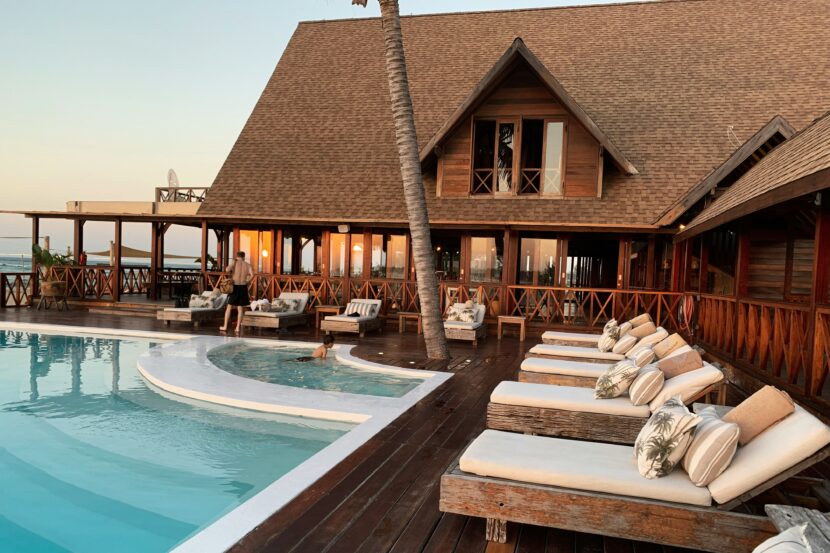
Choosing a hotel can feel like navigating a maze, but it doesn’t have to be. Whether you’re looking to splurge, save, or find something uniquely you, understanding the core differences between luxury, budget, and boutique hotels is key to making the best choice for your trip. Let’s break down what each offers so you can pick the perfect place to rest your head.
It’s easy to get caught up in marketing speak, so let’s cut to the chase and distinguish these categories based on their core offerings.
Luxury Hotels: The Full-Service Experience
Think high-end comfort, impeccable service, and a complete suite of amenities designed to anticipate your every need. Luxury hotels are all about providing an elevated experience, going beyond just a place to sleep.
Service Excellence
At a luxury hotel, service isn’t just about friendliness; it’s about anticipation and discretion. From the moment you step through the door, staff are trained to remember your preferences, address you by name, and discreetly fulfill requests. This can include anything from personalized wake-up calls with fresh coffee to arranging bespoke local experiences. Concierge services are typically top-tier, capable of securing hard-to-get reservations or tickets. Housekeeping often includes turndown service, and valet parking is standard.
Premium Amenities
Expect the best in terms of physical offerings. Rooms are spacious, often with separate sitting areas, and feature high-quality furnishings. Beds are typically king-sized with premium linens, and bathrooms boast large showers, deep soaking tubs, and designer toiletries. On-site facilities usually include fine dining restaurants, often with Michelin-starred chefs, full-service spas with a range of treatments, state-of-the-art fitness centers, and often expansive pools, sometimes even multiple. Technology is integrated seamlessly, from smart room controls to high-speed, reliable Wi-Fi.
Design and Ambiance
Luxury hotels invest heavily in creating a specific atmosphere. This often translates to sophisticated, elegant, and timeless design. High-quality materials like marble, exotic woods, and bespoke artwork are common. The ambiance is generally refined and exclusive, designed to make guests feel pampered and special. Public spaces are meticulously maintained and often feature grand architectural elements.
Budget Hotels: Practicality and Value
Budget hotels prioritize getting you a clean, safe, and functional place to stay without breaking the bank. They strip away the unnecessary frills to offer a rock-bottom price.
Essential Amenities Only
You won’t find bellhops or concierges at most budget hotels. The focus is on providing the absolute necessities: a bed, a private bathroom, and often a TV and air conditioning. Don’t expect mini-bars or room service. Some might offer a continental breakfast as a complimentary extra, but it’s usually basic. Wi-Fi is often available, though sometimes for an additional fee or not always the fastest.
Streamlined Service
Service is functional and efficient. Front desk staff handle check-ins and check-outs, and can answer basic questions. Housekeeping is typically less frequent than higher-tier hotels, often every few days rather than daily, or only upon request. There’s less emphasis on personalized interaction; the goal is to process guests efficiently.
Functional Design
Design in budget hotels is, predictably, functional and durable. Furniture is chosen for its longevity and ease of maintenance, not its aesthetic appeal. Expect clean lines, simple decor, and perhaps a chain-standardized look. While generally clean, the aesthetic won’t be inspiring or luxurious. The focus is on maximizing room count and operational efficiency.
Boutique Hotels: Character and Individuality
Boutique hotels carve out a niche by offering a unique, often localized, and highly personal experience. They stand in contrast to the uniformity of large chains.
Distinctive Design and Theme
This is where boutique hotels truly shine. Each one is often individually designed, with a specific theme, aesthetic, or story. You might find hotels playing on historical elements, contemporary art, local culture, or a specific design movement. The decor is key and often unique to that specific property, making for a memorable stay. Rooms might vary significantly in layout and design, even within the same hotel.
Personalized Service with Local Flair
Boutique hotels pride themselves on providing tailored service that often feels more personal and less corporate. Staff are frequently locals with in-depth knowledge of the area, keen to offer insider tips or unique recommendations. The atmosphere is often more intimate and friendly, fostering a sense of connection with both the staff and the place itself. You might find personalized welcome notes or small, thoughtful touches unique to the hotel.
Curated Amenities
While not always as extensive as luxury hotels, the amenities at boutique hotels are often carefully chosen and align with their theme. This could mean a focused, excellent restaurant highlighting local ingredients, a small but expertly curated spa, or unique communal spaces like a cozy library or an art gallery. Often, these hotels partner with local businesses to offer unique experiences or products. They focus on quality over quantity and uniqueness over ubiquity.
Factors to Consider When Choosing
Now that we’ve outlined the core characteristics, let’s think about how to apply this to your own travel plans.
Your Budget: How Much Do You Really Want to Spend?
This is usually the first and most obvious filter. Be realistic about what you’re comfortable spending per night. Remember to factor in potential hidden costs like resort fees, parking, or expensive in-house dining options, especially at luxury establishments. Budget hotels are transparent about their lower prices, but be aware that extra services will cost extra. Boutique hotels can range wildly in price, sometimes matching luxury rates for prime locations or exceptional design, and sometimes offering great value for a unique experience.
Purpose of Your Trip: Business, Leisure, or Special Occasion?
The reason for your travel heavily influences your hotel choice.
Business Travel
For business, efficiency and reliable services are paramount. Luxury hotels offer quiet spaces, excellent Wi-Fi, business centers, and often round-the-clock service, making last-minute needs manageable. Budget hotels might suffice if you just need a place to sleep, but reliable Wi-Fi can be a gamble, and dedicated workspaces might be minimal. Boutique hotels can be great for business if you’re looking to impress clients or if your work benefits from a unique, inspiring environment, but ensure they have adequate business facilities.
Leisure and Relaxation
If you’re on a vacation meant for unwinding, luxury hotels excel with their spas, pools, and attentive service. You’re paying for an experience of being pampered. Budget hotels serve as a base camp for exploring, but won’t contribute significantly to relaxation within the hotel itself. Boutique hotels can offer a wonderfully relaxing experience if their ambiance aligns with your definition of calm – think intimate gardens, quiet libraries, or unique wellness offerings.
Special Occasions
Anniversaries, honeymoons, or significant celebrations practically call for a luxury or high-end boutique hotel. The extra touches, the exceptional dining, and the memorable ambiance contribute significantly to the specialness of the event. A budget hotel, while practical, would likely fall short of expectations for such occasions.
Location, Location, Location: Urban, Rural, or Off the Beaten Path?
The hotel’s surroundings are as important as the hotel itself.
Urban Centers
In cities, budget hotels are often found further from the prime tourist attractions, requiring more travel time. Luxury hotels tend to be in the heart of the action, close to business districts, high-end shopping, and cultural landmarks. Boutique hotels thrive in dynamic urban neighborhoods, often revitalized older areas, offering a local flavor that larger chains might miss.
Rural Escapes
For a rural getaway, luxury hotels often manifest as resorts with extensive grounds, golf courses, or private beach access. Budget options might be independent motels or inns with fewer amenities but provide access to nature. Boutique hotels in rural settings often emphasize their connection to the landscape, perhaps offering farm-to-table dining or unique outdoor activities.
Unique Destinations
Some destinations, especially those focused on culture or adventure, might naturally lean towards boutique or independent hotels that reflect the local spirit. Large chains might feel out of place or generic in these contexts.
Amenities You Can’t Live Without: The Deal Breakers
Consider your non-negotiables.
Dining Options
Do you want multiple fine dining restaurants on-site, 24-hour room service, or are you happy eating out at local spots? Luxury hotels offer extensive dining. Budget hotels rarely have more than a basic breakfast. Boutique hotels might have one standout restaurant that’s a destination in itself.
Wellness Facilities
Is a spa, gym, or pool essential for your trip? Luxury hotels provide these extensively. Some mid-range budget hotels might have a basic gym or a small pool. Boutique hotels vary greatly – some might focus on unique wellness offerings (like yoga studios), others might have minimal facilities.
Connectivity and Technology
Reliable, fast Wi-Fi is a given for many travelers. Luxury hotels usually provide it free and seamlessly. Budget hotels might charge for it, or it might be slower. Ensure you check this detail, especially if you rely on it for work or entertainment. Smart room features are almost exclusive to luxury.
Travel Companions: Solo, Family, or Group?
Who you’re traveling with changes your needs.
Solo Travelers
Solo travelers might prioritize safety, good social spaces (in boutiques), or simply a comfortable base to return to after exploring (budget). Luxury offers pure indulgence.
Families with Children
Families often need space, child-friendly amenities (pools, kids’ clubs), and practical conveniences like mini-fridges or on-site laundry. Luxury resorts geared towards families are excellent but pricey. Budget travel with kids can be challenging due to space constraints and lack of activities. Some boutique hotels might offer connecting rooms or family suites, but check their overall ethos – some are explicitly “adults only.”
Couples
Couples on a romantic getaway might lean towards the intimate ambiance of a boutique hotel or the pure luxury of a five-star experience. Privacy and special touches are key here.
Groups
Traveling with a group often means you’re looking for common areas, possibly adjoining rooms, and flexible dining options. Depending on the group’s budget and purpose, any of the three types could work, but logistical ease might push you towards a larger, more structured hotel.
The Hybrid Approach: Mixing and Matching

You don’t have to stick to just one type for your entire trip! Many savvy travelers embrace a hybrid approach.
Splurge and Save
For instance, you might book a luxury hotel for a few nights at the start or end of a trip for a truly indulgent experience, then switch to a budget-friendly option for the bulk of your exploration. This allows you to enjoy the best of both worlds without completely draining your wallet. Or, perhaps a significant portion of your trip involves being out and about, making a budget hotel the sensible choice, but for a special occasion dinner, you dine at a luxury hotel’s restaurant.
Boutique for Experience, Budget for Efficiency
Another strategy is to use a boutique hotel as your base in a vibrant city for its unique character and local insights, then opt for a budget hotel for an overnight stay near an airport before an early flight. The boutique adds to the travel story, while the budget hotel serves a purely functional need.
Luxury for a Night, Then Boutique for Charm
Imagine flying into a city, spending the first night jet-lagged and wanting absolute comfort in a luxury hotel to recover, then transitioning to a charming boutique in a different neighborhood for the rest of your stay to soak up the local atmosphere. This minimizes stress at the start and maximizes cultural immersion later.
Booking Tips and Things to Watch Out For

No matter which type of hotel you choose, a few general booking tips can save you headaches.
Read Reviews Diligently
Reviews (on reputable sites, not just the hotel’s own website) are invaluable. Look for consistent complaints or praises. Pay attention to comments about cleanliness, noise levels, Wi-Fi reliability, and service. For budget hotels, reviews about bed bugs or safety are critical. For luxury, look for comments on the quality of service and amenities. For boutique, check if the unique charm translates to actual comfort or if it’s just aesthetics.
Check “Hidden” Fees
Resort fees, amenity fees, parking fees, and even Wi-Fi fees can sneak up on you. Always check the fine print before booking to avoid surprises, especially with luxury and some mid-range budget hotels. Boutique hotels are usually more transparent.
Location, Location, Location (Revisited)
Confirm the exact location on a map. “Near downtown” can mean a lot of things. Check proximity to public transport, attractions you want to visit, and safe walking areas. Budget hotels are often located in less central or less desirable areas.
Loyalty Programs and Direct Bookings
| Hotel Type | Number of Rooms | Average Price per Night | Customer Rating |
|---|---|---|---|
| Luxury | 100 | 300 | 9.5 |
| Budget | 50 | 100 | 7.5 |
| Boutique | 30 | 200 | 8.5 |
If you frequently stay with a particular luxury or mid-range chain, their loyalty programs can offer perks like free upgrades, late check-out, or even free nights. Sometimes, booking directly through the hotel’s website offers better rates, more flexible cancellation policies, or exclusive packages compared to third-party sites. Boutique hotels often reward direct bookings with small extras.
Consider Travel Time
Factor in travel time and cost to and from the airport or main attractions. A cheap hotel far away might end up being more expensive or inconvenient than a slightly pricier, well-located option.
Be Flexible
If your travel dates are flexible, you can often find better deals, especially for luxury and boutique hotels during off-peak seasons or mid-week stays.
Ultimately, the “best” hotel isn’t universal; it’s the one that best fits your specific needs, preferences, and budget for this particular trip. By understanding the nuances of luxury, budget, and boutique hotels, you’re better equipped to make a choice that enhances your travel experience, rather than detracts from it. Happy travels!