

















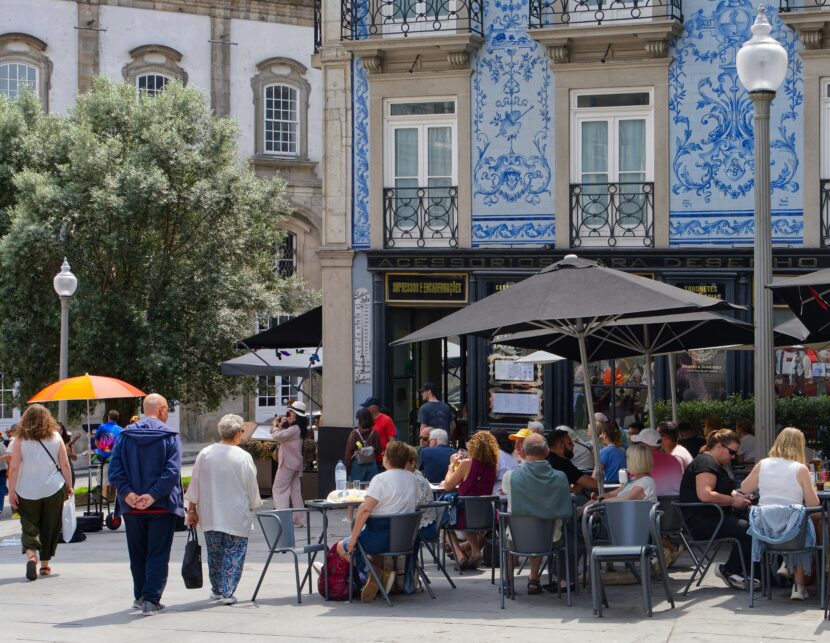
Thinking about diving headfirst into Portugal’s incredible food and wine scene? You’re in for a treat! Finding the best local guides is key to unlocking those hidden gems and truly experiencing what this country has to offer, far beyond the usual tourist trails. We’re talking about those places where the flavors sing and the wines tell stories, guided by people who know them intimately.
Unlocking Authentic Flavors: Why a Local Guide Makes All the Difference
Sure, you could wander aimlessly, popping into whatever looks appealing. But let’s be honest, Portugal is packed with culinary treasures, from Michelin-starred restaurants to humble tascas where generations of families have perfected their recipes. A good local guide is more than just someone who points you in a direction; they’re your ticket to the authentic heart of Portuguese gastronomy.
Beyond the Tourist Traps
Think about it: how many times have you ended up in a restaurant that’s picture-perfect online but serves mediocre food at inflated prices? A local guide steers you clear of these pitfalls. They know the places locals frequent, the ones serving genuinely delicious dishes made with fresh, seasonal ingredients. They understand the nuances of Portuguese cuisine, from regional specialties to the perfect wine pairings.
Insider Knowledge is Gold
These guides live and breathe Portuguese culture. They have personal relationships with chefs, winemakers, and producers. This means they can often arrange access to special tastings, behind-the-scenes kitchen tours, or even introduce you to the artisan who crafts your cheese. It’s about experiencing the story behind the food and wine, not just consuming it.
Tailoring Your Experience
Are you a seafood fanatic eager to explore the Algarve’s coast? Do you dream of exploring the Douro Valley’s vineyards and port wine cellars? Or perhaps you’re drawn to Lisbon’s vibrant food markets and traditional petiscos? A local guide can customize an itinerary based on your specific interests, ensuring you get the most out of your culinary adventure. They know which tours are best suited for specific palates and which experiences offer the deepest dive into Portuguese culinary heritage.
Navigating the Landscape: Where to Find Your Perfect Food and Wine Guide
So, how do you actually find these gatekeepers of Portuguese deliciousness? It’s not always about a quick Google search for “food tour.” A more strategic approach often yields the best results.
Online Platforms and Tour Operators
Many reputable tour companies specialize in food and wine experiences across Portugal. Look for ones with a strong emphasis on local partnerships and authentic experiences.
Dedicated Food Tour Companies
There are numerous companies specifically focused on culinary tours. Do a bit of research to see which ones operate in the regions you’re interested in. Read reviews carefully, paying attention to comments about the guides’ knowledge, passion, and ability to offer unique insights. Some well-regarded examples include:
- Taste Porto Food Tours: Focusing on Porto, they offer a variety of tours exploring the city’s culinary history, with knowledgeable guides.
- Lisbon Food Tours: Similar to Taste Porto, this company provides a deep dive into Lisbon’s diverse food scene, from historic bakeries to modern eateries.
- Wine Tourism Portugal: While broader, they list many accredited wine tourism experiences and often feature guides who are passionate about their regions.
General Tour Aggregators (with a discerning eye)
Platforms like TripAdvisor Experiences, GetYourGuide, and Viator can be useful, but you’ll need to be selective. Look for tours with high ratings and a significant number of positive reviews that specifically mention the quality of the guide and the authenticity of the experience. Don’t be afraid to read through multiple pages of reviews to get a well-rounded picture.
Leveraging Local Expertise
Sometimes, the best guides are the ones who are already embedded in the community.
Hotel Concierge Services
For a truly personalized approach, your hotel’s concierge can be an invaluable resource. Many luxury and boutique hotels have excellent local connections and can recommend highly skilled guides who align with their service standards. They often have personal relationships and can vouch for the quality of the guides they recommend.
Wine Region Associations and Tourist Offices
When exploring specific wine regions like the Douro Valley or Alentejo, contact the local wine associations or official tourist offices. They often have lists of accredited guides, wine educators, and tour operators who specialize in their area. These resources are usually unbiased and aim to promote the best local experiences.
Word-of-Mouth
The power of personal recommendations should never be underestimated. If you know anyone who has recently traveled to Portugal and had a fantastic food or wine experience, ask them for their guide’s details. This is often the most reliable way to find someone who will exceed your expectations.
The Douro Valley: A Symphony of Terraces and Tawny Ports
Ah, the Douro Valley. This UNESCO World Heritage site is the soul of Port wine and a breathtaking landscape that demands exploration with a knowledgeable guide. The steep, terraced vineyards tell a story of human resilience and winemaking tradition.
Guided Winery Visits (Quintas)
Choosing the right Quinta (wine estate) is crucial. Some are grand and commercial, while others are smaller, family-run operations with a rich history. A local guide will know which Quintas offer the most immersive and authentic experiences.
Exploring Traditional Quintas
Look for guides who can introduce you to Quintas that still practice traditional winemaking methods. These places often offer intimate tastings where you can learn directly from the winemakers or their family members about the process, from grape to glass. They can often arrange for you to taste wines that are not widely available commercially.
Understanding Port Wine Styles
A good Douro guide won’t just pour you a glass. They’ll explain the differences between Ruby, Tawny, Vintage, and LBV Ports, helping you appreciate the nuances and complexities of each. They’ll also explain the terroir – the unique combination of soil, climate, and topography – that makes the Douro so special for winemaking.
Beyond the Wine: Local Flavors of the Douro
The Douro isn’t just about wine. The region has its own distinct cuisine, often hearty and flavorful, designed to complement the robust wines.
Traditional Douro Cuisine
Your guide can steer you towards restaurants serving regional specialties like “cabrito assado” (roasted kid goat), “posta à Mirandesa” (a thick-cut steak), or various river fish dishes. They’ll know the best places to find these authentic flavors, often in unassuming, family-run establishments.
Scenic Drives and River Cruises
Many food and wine tours in the Douro include scenic drives along the winding N222, often cited as one of the best driving roads in the world. They can also organize boat trips on the Douro River, offering a different perspective of the vineyards and a chance to relax with a glass of wine and some local petiscos.
Lisbon’s Culinary Tapestry: From Historic Markets to Modern Gastronomy
Lisbon is a city that overflows with flavor. From the bustling Mercados to hidden tascas, a local guide is your key to unlocking its diverse culinary landscape.
The Heart of Lisbon: Mercado da Ribeira (Time Out Market) and Beyond
While the Time Out Market is popular, a good guide can show you the less crowded, more authentic stalls, and introduce you to the vendors and their stories. They know which are the essential stops for experiencing the best of Portuguese food.
Discovering Local Market Delights
Beyond the well-known market, your guide can take you to smaller neighborhood markets where you can see and taste local produce, cheeses, cured meats, and freshly baked bread. They can help you select the perfect ingredients for a picnic or simply understand the seasonality of Portuguese produce.
Navigating Traditional Tascas and Petiscos
“Petiscos” are the Portuguese equivalent of tapas. Your guide will know the best tascas serving these small, delicious bites, from “pica-pau” (marinated pork) to grilled sardines and “pão com chouriço” (chorizo bread). They’ll also guide you on ordering etiquette and help you choose the perfect wine or beer to accompany them.
Sweet and Savory Surprises in the Capital
Lisbon’s culinary scene extends to its famous pastries and innovative restaurants.
The Allure of Pastel de Nata
Of course, no visit to Lisbon is complete without a Pastel de Nata. A local guide will know the most authentic and delicious bakeries, not just the most tourist-heavy ones. They might even reveal the secret to what makes some Pastéis de Nata truly exceptional.
Emerging Foodie Neighborhoods
Lisbon’s food scene is constantly evolving. Your guide can introduce you to emerging neighborhoods and restaurants that are pushing culinary boundaries, offering a taste of modern Portuguese cuisine alongside traditional favorites. They’ll understand your preferences and suggest places that align with them.
Porto’s Culinary Soul: Rich Flavors and Riverside Charm
Porto, rivaling Lisbon in its culinary prowess, offers a distinct gastronomic identity, heavily influenced by its proximity to the Atlantic and its historic role as a trade hub.
Iconic Dishes and Where to Find Them
Porto is famous for several iconic dishes, and a local guide is essential for experiencing them at their finest.
The Legendary Francesinha
This hearty sandwich, layered with meats, covered in melted cheese, and drenched in a special beer sauce, is a Porto must-try. Your guide will know the classic “tascas” that serve the most authentic and delicious versions, understanding the subtle differences in recipes that make each one unique.
Fresh Seafood from the Atlantic
Being a coastal city, Porto boasts incredible fresh seafood. Your guide can lead you to the best seafood restaurants, whether you’re craving grilled sardines, fresh octopus, or a hearty seafood rice. They’ll know where to find the freshest catches of the day.
Wine City: Port, Vinho Verde, and Beyond
Porto is inextricably linked with Port wine, but its surrounding regions also produce excellent table wines.
Port Wine Cellar Tours and Tastings
A visit to Vila Nova de Gaia, across the river from Porto, is incomplete without exploring its famed Port wine cellars. A guide will select the best cellars for your interests, from those offering historical insights to those with innovative tasting experiences.
Exploring Vinho Verde
Just north of Porto lies the Vinho Verde region, known for its crisp, slightly effervescent white wines. A guide can arrange day trips to these vineyards, offering a refreshing contrast to the richness of Port wine and showcasing the unique terroir of this region.
Beyond the Big Cities: Regional Delights of Portugal
While Lisbon and Porto often steal the spotlight, Portugal’s regions are incredibly rich in culinary traditions waiting to be discovered. Venturing out with a local guide can unlock experiences you wouldn’t find on your own.
The Alentejo: Rustic Charm and Robust Flavors
The Alentejo region, known for its rolling plains, cork oak forests, and sun-drenched vineyards, offers a more rustic and hearty culinary experience.
Traditional Alentejo Cuisine
This region is famous for its “açordas” (bread soups), “migas” (bread-based dishes), and rich pork dishes like “porco preto” (black pork). A local guide can lead you to traditional “herdades” (farms) and family-run restaurants serving these authentic dishes, often prepared with ingredients sourced directly from the land.
Discovering Alentejo Wines
The Alentejo has become a significant wine-producing region, known for its full-bodied reds. Your guide can arrange visits to wineries that showcase the region’s unique varietals and terroir, often in a more relaxed and intimate setting than the larger wine regions.
The Algarve: Coastal Flavors and Portuguese Soul Food
The Algarve, while known for its beaches, also boasts a distinct culinary heritage rooted in its coastal location and Moorish influences.
Fresh Catches and Moorish Influences
Expect an abundance of fresh seafood, often grilled to perfection or incorporated into flavorful stews and rice dishes like “arroz de marisco.” Your guide can point you to authentic “marisqueiras” (seafood restaurants) and explain the subtle Moorish influences found in the region’s spices and cooking techniques.
Sweet Treats of the Algarve
The Algarve is also known for its delicious sweets, often made with almonds and figs, reflecting its historical agricultural bounty. A local guide can introduce you to traditional bakeries and dessert specialties unique to this southern region.
Conclusion: Your Passport to Portuguese Gastronomic Excellence
Ultimately, the best local food and wine guides in Portugal are passionate storytellers, culinary historians, and connectors. They are the ones who can take you beyond a simple meal and offer you a profound understanding and appreciation of Portugal’s rich gastronomic heritage. By choosing to go with a local expert, you’re not just eating and drinking; you’re immersing yourself in the culture, the history, and the vibrant soul of this incredible country. So, when planning your trip, make finding the right guide a priority – it’s an investment that will pay dividends in unforgettable flavors and authentic memories.