









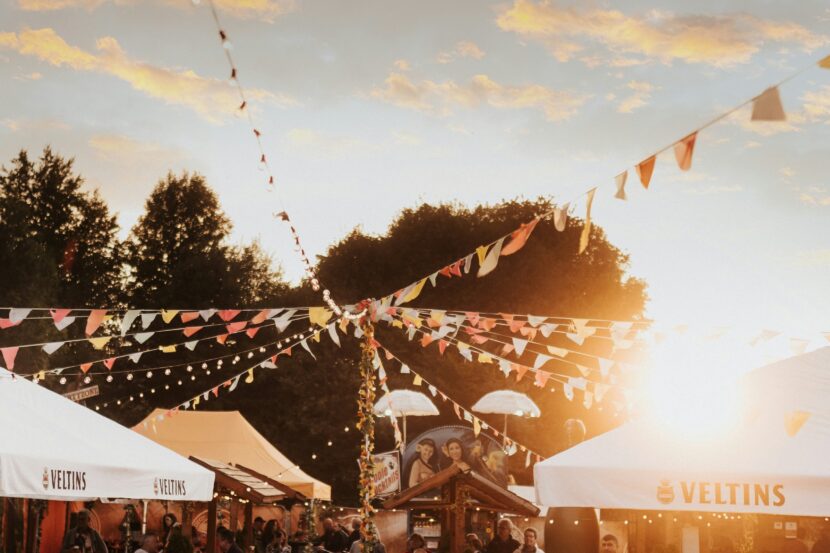
Looking for some serious festival action? You’re in the right place. Skipping straight to the good stuff, here’s a rundown of 10 countries that consistently deliver top-tier celebrations, from ancient traditions to modern music extravaganzas. We’re talking about vibrant cultures truly coming alive, offering experiences that stick with you long after the confetti settles. These aren’t just places that have a few events; they’re countries where festivals are woven into the very fabric of society, offering something for every taste and interest.
When we talk about countries with the “best” festivals, we’re not just looking at the size or the budget. We’re thinking about the cultural impact, the sheer variety, the longevity, and the unique local flavor each event brings. These nations have mastered the art of public gathering, turning moments into memories.
Spain: Where Passion Explodes in Public Squares
Spain is practically synonymous with festivals. It’s a country where life is lived with gusto, and that passion pours into countless celebrations throughout the year. From religious processions that are centuries old to modern music festivals, Spain offers an incredible spectrum.
La Tomatina: A Red-Hot Mess
Let’s start with the iconic. Held in Buñol, Valencia, La Tomatina is exactly what it sounds like: a gigantic, town-wide tomato fight. Every last Wednesday of August, thousands descend upon this small town to hurl ripe tomatoes at each other for an hour. It’s chaotic, messy, and utterly exhilarating. While it’s a relatively modern tradition (starting in 1945), its sheer absurdity and joyful energy have made it a global phenomenon.
Las Fallas: Fire and Spectacle in Valencia
Another Valencian gem, Las Fallas (March 15-19) is a monumental celebration of artistry, satire, and pyrotechnics. Huge papier-mâché sculptures (fallas) are built throughout the city, often depicting satirical scenes of politicians and celebrities. After several days of parades, firecrackers, and revelry, these elaborate creations are dramatically set ablaze in the “cremà” – a series of spectacular bonfires that light up the night sky. The sheer scale and explosive nature of Las Fallas make it a truly unforgettable experience.
Feria de Abril: Seville’s Spring Fling
Shortly after Easter, Seville bursts into life for the Feria de Abril. This week-long fair is a vibrant explosion of flamenco, horse parades, traditional dress, and endless revelry. Families set up “casetas” (private tents) where they feast, drink sherry, and dance the sevillanas late into the night. It’s a deeply rooted cultural event, offering an authentic glimpse into Andalusian charm and hospitality.
Running of the Bulls (San Fermín): A Controversial Spectacle
In Pamplona, the San Fermín festival every July is internationally acclaimed, largely due to its controversial but undeniably popular “Encierro” or Running of the Bulls. While it draws massive crowds, it’s also important to note the significant animal welfare concerns and the potential dangers involved. Beyond the bull run, the festival features vibrant parades, concerts, and general merriment that turns Pamplona into one giant street party.
India: A Tapestry of Ancient Traditions
India is a land of incredible diversity, and its festivals reflect this rich cultural mosaic. With thousands of festivals celebrated throughout the year, each region, religion, and community has its own unique way of marking auspicious occasions. These celebrations are often deeply spiritual, bringing communities together in vibrant displays of faith, color, and joy.
Diwali: The Festival of Lights
Arguably India’s most important and widely celebrated festival, Diwali is a five-day extravaganza that symbolizes the triumph of good over evil and light over darkness. Homes are meticulously cleaned and decorated with lamps, candles, and colorful rangolis. Families gather for pujas (prayers), exchange gifts and sweets, and light fireworks that illuminate the night sky. It’s a time of immense joy, family bonding, and spiritual renewal celebrated by Hindus, Jains, Sikhs, and some Buddhists alike.
Holi: The Festival of Colors
Holi, celebrated in spring, is an unrestrained burst of joy and color. People take to the streets, playfully dousing each other with powdered pigments (gulal) and water. It’s a time to let go of inhibitions, forget social differences, and embrace pure, unadulterated fun. Traditional sweets, music, and dancing add to the festive atmosphere. Holi is a powerful symbol of unity and the arrival of spring.
Pushkar Camel Fair: Desert Spectacle
In the desert state of Rajasthan, the Pushkar Camel Fair in November is a truly unique cultural experience. Originally a livestock trading event, it has evolved into a massive five-day festival drawing thousands of camels, horses, and cattle, alongside pilgrims, tourists, and traders. There are camel races, contests, music, dance performances, and vibrant market stalls selling everything from handicrafts to textiles. It’s a spectacular immersion into rural Rajasthani life.
Ganesh Chaturthi: Honoring the Elephant God
Celebrated primarily in Maharashtra, Ganesh Chaturthi honors the birth of Lord Ganesha, the elephant-headed god. Elaborate idols of Ganesha are installed in homes and grand public pandals (temporary shrines) adorned with flowers and lights. For 10 days, devotees offer prayers, sweets, and perform cultural acts. The festival culminates in a spectacular immersion of the idols into water bodies, accompanied by joyous processions, music, and dancing.
Brazil: Carnival’s Reign and Beyond
Brazil is a country where celebration is practically a way of life, and this is nowhere more evident than in its incredible festivals. Known globally for its exuberant energy, Brazilian festivals are a sensory overload in the best possible way.
Rio Carnival: The World’s Biggest Party
No list of festivals is complete without mentioning Rio Carnival. This pre-Lenten celebration transforms Rio de Janeiro into a whirlwind of samba parades, street parties (blocos), elaborate costumes, and non-stop dancing. The highlight is the Parade at the Sambadrome, where competing samba schools showcase incredible floats, costumes, and choreography, vying for the coveted championship. It’s an iconic spectacle of sound, color, and exuberant joy that attracts millions.
Salvador Carnival: African Roots and Electric Trio
While Rio’s Carnival is globally famous, Salvador in Bahia offers a distinctly different, yet equally electrifying, experience. Salvador’s Carnival is known for its strong African-Brazilian roots and “trios elétricos” – large trucks with powerful sound systems carrying musicians who play for massive crowds dancing in the streets. It’s less about the choreographed parades and more about spontaneous, open-air dancing and a powerful connection to Afro-Brazilian culture.
Festival de Parintins: Amazonian Folkloric Drama
Away from the coastal Carnivals, the Festival de Parintins in the Amazon is a unique cultural gem. Held in late June, this folk festival is a spectacular competition between two rival groups, Garantido (red) and Caprichoso (blue), who tell the story of a resurrected ox through elaborate floats, costumes, music, and dance. It’s a visual and auditory feast, deeply rooted in Amazonian folklore and an incredible showcase of regional artistry.
Mexico: A Colorful Blend of Faith and Folklore
Mexico’s cultural tapestry is rich with indigenous traditions blended with Catholicism, giving rise to unique and deeply resonant festivals. These celebrations are often incredibly vibrant, filled with music, dance, delicious food, and elaborate decorations.
Día de Muertos (Day of the Dead): A Joyful Remembrance
Perhaps Mexico’s most internationally recognized festival, Día de Muertos (November 1-2) is a beautiful and unique celebration of life and death. Far from being a somber event, it’s a joyful remembrance of deceased loved ones. Families build elaborate altars (ofrendas) adorned with marigolds, candles, photographs, and the favorite foods and drinks of the departed. Public parades feature colorful calaveras (skeletons), music, and dancing. It’s a deeply spiritual yet incredibly festive occasion that reflects a strong belief in the continuum of life.
Guelaguetza: Oaxaca’s Indigenous Showcase
Held in Oaxaca City in July, Guelaguetza is a spectacular celebration of indigenous culture. Representatives from the state’s distinct indigenous groups gather to perform traditional dances, music, and offer gifts (guelaguetza means “reciprocal exchange of gifts and services”) from their regions to the audience. It’s a vibrant display of traditional attire, music, and heritage, held in an ancient amphitheater overlooking the city.
Posadas and Navidad: Mexican Christmas Magic
The Christmas season in Mexico is particularly enchanting. Las Posadas, celebrated from December 16-24, involves nightly candlelit processions reenacting Mary and Joseph’s search for lodging, culminating in festive gatherings with piñatas, carols, and traditional food. Christmas Eve and Christmas Day are filled with family gatherings, delicious feasts, and vibrant celebrations that extend into the New Year, often marked by elaborate fireworks displays.
Europe’s Electrifying Festival Circuit
Beyond the traditional, Europe leads the charge in modern music and arts festivals. While rich in ancient traditions, it also offers a dynamic contemporary scene.
United Kingdom: Music and Pomp
The UK might be known for its reserved charm, but when it comes to festivals, it lets its hair down with gusto. From world-renowned music festivals to ancient traditions and royal pageantry, there’s a surprising amount of celebratory action.
Glastonbury Festival: The Pinnacle of Music and Arts
Glastonbury is more than just a music festival; it’s a legendary cultural institution. Held annually (most years) in Somerset, it draws hundreds of thousands to witness a diverse lineup of music legends, emerging artists, and a vast array of performing arts, comedy, and workshops. It’s a sprawling, mud-soaked, and utterly unforgettable experience that defines the modern British festival scene.
Notting Hill Carnival: London’s Caribbean Heartbeat
Every August Bank Holiday weekend, West London explodes with the vibrant Notting Hill Carnival. It’s Europe’s largest street festival, celebrating Caribbean culture with elaborate costumes, exhilarating steel bands, massive sound systems, and a parade that fills the streets with rhythm and color. It’s a joyous, inclusive, and electrifying celebration that attracts millions.
Edinburgh Fringe Festival: A Global Arts Mecca
The world’s largest arts festival, the Edinburgh Fringe Festival takes over Scotland’s capital every August. For three weeks, thousands of performers from around the globe descend upon Edinburgh, staging everything from comedy and drama to dance, opera, and street performances in hundreds of venues. It’s an unparalleled explosion of creativity, offering something for every artistic taste.
Germany: Beer, Bards, and Beats
Germany is often associated with efficiency and engineering, but it also knows how to throw a party – and not just with beer! Its festival landscape is diverse, from massive folk festivals to influential music gatherings.
Oktoberfest: The World’s Largest Folk Festival
Held in Munich, Bavaria, Oktoberfest is the undisputed champion of beer festivals. Millions flock to the city for two weeks in late September and early October to partake in massive beer tents, traditional Bavarian food, Oompah bands, and fairground rides. It’s a monumental celebration of Bavarian culture, Gemütlichkeit (warmth and good cheer), and, of course, beer.
Christmas Markets: Enchanting Winter Wonders
Throughout December, German cities and towns transform into magical Christmas markets (Weihnachtsmärkte). These festive markets, with their twinkling lights, mulled wine (Glühwein), gingerbread, handmade crafts, and carol singing, are a quintessential part of the German holiday season. Cities like Nuremberg, Dresden, and Cologne are particularly famous for their enchanting markets.
Wacken Open Air: Metal Mayhem
For metalheads, Wacken Open Air in northern Germany is the holy grail. It’s one of the largest heavy metal festivals in the world, attracting tens of thousands of fans every August to a small village in Schleswig-Holstein. It’s a pilgrimage for metal fans, offering an intense atmosphere, legendary bands, and a strong sense of community.
Japan: Tradition Meets Modern Spectacle
Japan offers a fascinating duality in its festivals. On one hand, you have ancient spiritual practices and seasonal celebrations. On the other, a vibrant modern culture that produces unique contemporary events.
Gion Matsuri: Kyoto’s Ancient Pageantry
One of Japan’s most famous and oldest festivals, Gion Matsuri in Kyoto dates back to the 9th century. Held throughout July, its highlight is the grand procession of exquisitely decorated floats (yamaboko) that parade through the city streets. These towering, intricate structures are mini-museums on wheels, adorned with tapestries and traditional craftsmanship. It’s a stunning display of ancient tradition and meticulous artistry.
Sapporo Snow Festival: Winter Wonderland Art
In February, the city of Sapporo in Hokkaido transforms into a magical winter wonderland for the Sapporo Snow Festival. Local and international teams create incredible ice sculptures and towering snow statues, ranging from intricate designs to colossal replicas of famous landmarks. It’s a breathtaking exhibition of ephemeral art and a testament to human creativity in the face of winter.
Summer Hanabi Festivals: Fireworks Extravaganzas
Throughout summer, virtually every town and city in Japan hosts a hanabi (fireworks) festival. These aren’t just small backyard displays; they are meticulously choreographed, large-scale pyrotechnic shows often set over rivers or bays, attracting huge crowds who come dressed in traditional yukata. The Sumidagawa Fireworks Festival in Tokyo is one of the most famous, drawing millions.
North America’s Iconic Gatherings

The US and Canada might be newer nations, but they’ve certainly established their own unique and impressive festival scenes.
United States: Diverse Rhythms and Grand Scales
The sheer size and cultural melting pot of the United States means an incredibly diverse festival scene, ranging from music behemoths to unique regional celebrations.
Mardi Gras: New Orleans’ Iconic Blowout
New Orleans’ Mardi Gras is a legendary pre-Lenten celebration, famous for its elaborate parades, vibrant costumes, jazz music, and bead-throwing. Krewes (social organizations) spend months preparing their fantastical floats and costumes. It’s a unique fusion of French, African, and American traditions, creating an atmosphere of unparalleled revelry.
Coachella Valley Music and Arts Festival: Desert Dreams
Held annually in Indio, California, Coachella is one of the world’s most famous and influential music festivals. Featuring a diverse lineup of top artists across multiple genres, alongside large-scale art installations, it’s a desert oasis of music, fashion, and culture that kicks off the festival season for many.
South by Southwest (SXSW): Tech, Film, and Music Convergence
In Austin, Texas, SXSW is a unique beast, blending interactive technology, film, and music festivals into one massive event each March. It’s a launchpad for new ideas, a networking hub, and a platform for showcasing emerging talent across these creative industries.
Canada: Cultural Flair and Northern Charm
Canada brings its own flavor to the festival table, often highlighting its natural beauty, diverse heritage, and strong artistic communities.
Calgary Stampede: The Greatest Outdoor Show on Earth
“The Greatest Outdoor Show on Earth,” the Calgary Stampede in Alberta is a massive 10-day rodeo, exhibition, and festival held every July. It features chuckwagon races, professional rodeo events, concerts, a parade, and an authentic Western spirit that draws over a million visitors.
Quebec City Winter Carnival: Icy Fun
One of the world’s largest winter carnivals, the Quebec City Winter Carnival embraces the cold with zest. Held in February, it features ice canoe races, snow sculptures, night parades, outdoor concerts, and the iconic “Bonhomme Carnaval” mascot. It’s a heartwarming celebration of Quebecois culture and a testament to making the most of winter.
Jazz Festivals: Across the Nation
Canada has a strong and vibrant jazz scene, with major jazz festivals in cities like Montreal, Vancouver, and Toronto. The Montreal International Jazz Festival, in particular, is one of the largest in the world, attracting hundreds of thousands with free outdoor concerts and ticketed indoor performances, showcasing jazz in all its forms.
Planning Your Festival Journey

Attending a festival in one of these countries is often a highlight of any trip. Remember to plan ahead, especially for major events, as accommodation and tickets can sell out quickly. Embrace the local customs, try the regional food, and allow yourself to be swept away by the energy. Each of these nations offers not just an event, but a deep dive into its culture, promising an experience that goes beyond mere entertainment. Happy fest-hunting!
FAQs
1. What are some of the best festivals in the world?
Some of the best festivals in the world include Oktoberfest in Germany, Carnival in Rio de Janeiro, Diwali in India, and the Lantern Festival in China.
2. What makes a festival stand out as one of the best in the world?
A festival can be considered one of the best in the world based on its cultural significance, unique traditions, historical importance, and the overall experience it offers to attendees.
3. How do countries celebrate their festivals?
Countries celebrate their festivals with a variety of activities such as parades, music and dance performances, traditional rituals, feasting, and sometimes even fireworks displays.
4. What are some lesser-known countries with amazing festivals?
Some lesser-known countries with amazing festivals include Bhutan with its Paro Tsechu festival, Bolivia with the Oruro Carnival, and Ethiopia with the Timkat festival.
5. How can one experience these festivals firsthand?
To experience these festivals firsthand, one can plan a trip to the respective country during the time of the festival, immerse themselves in the local culture, and participate in the festivities.