














So, you’re planning a trip to Sri Lanka and dreaming of incredible wildlife encounters and diving deep into its rich culture, but you’re also keeping an eye on your budget? That’s totally achievable. Booking your own local safari and culture guides in Sri Lanka is a fantastic way to save money while getting a more authentic experience. Forget those all-inclusive resorts with packaged tours; this is about connecting with the island on your own terms.
The short answer to how to book affordable local guides is to leverage direct connections, be flexible, and do a little bit of homework before you go. The more time you spend in Sri Lanka, the more you’ll realize that the best experiences often come through word-of-mouth and by venturing a little off the beaten path. We’re going to break down how to make that happen, focusing on practical steps you can take.
Finding the Right Safari Guides on a Budget
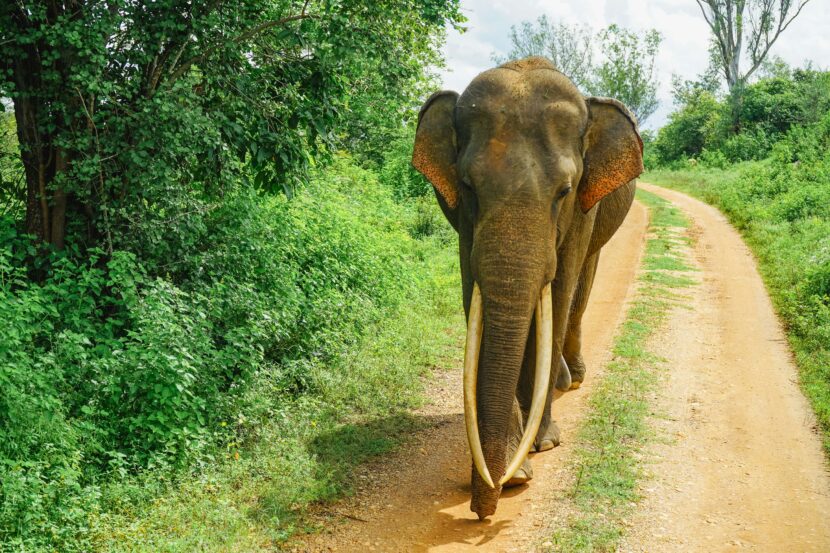
Sri Lanka is famous for its national parks, and a safari is probably high on your list. Deciding whether to wing it or book ahead is often the first hurdle when you’re trying to stay affordable. While pre-booking can offer peace of mind, direct interaction on the ground can often lead to better deals and more personalized experiences.
Option 1: Booking Directly at the Park Gates (Pros and Cons)
This is the most immediate and often the cheapest way to get a safari guide. When you arrive at the entrance of a national park like Yala, Udawalawe, Minneriya, Kaudulla, or Wilpattu, you’ll find plenty of jeep drivers and guides milling around.
- The Upside: It’s incredibly flexible. You can negotiate prices on the spot, and you can often gauge the guide by chatting with them briefly. For popular parks when you’re not tied to a specific time, this can work well. You also get to see the available jeeps and guides firsthand.
- The Downside: This can be a bit of a gamble, especially during peak season. The best guides might already be booked, or you might end up with someone who is less experienced or knowledgeable. Language barriers can also be more pronounced, and there’s a slight risk of encountering pushy drivers trying to upsell you. Haggling is expected, so be prepared.
- Pro-Tip: If you choose this route, try to arrive early in the morning or late in the afternoon when activity is high. Observe which jeeps have happy-looking tourists returning. Ask them about their guide.
Option 2: Finding Guides Through Local Accommodation
Your guesthouse, hostel, or boutique hotel is often your best friend when it comes to finding reliable and affordable local guides. The owners and staff have a vested interest in your satisfaction and usually work with guides they trust and have long-standing relationships with.
- Why it Works: They’ll often have a few trusted drivers who they recommend. They can help facilitate the booking and sometimes even negotiate on your behalf, leveraging their existing relationships. This takes a lot of the guesswork out of it.
- Negotiating Power: While the accommodation will likely add a small commission, the overall price is usually still more competitive than booking through large tour operators. You can also ask them if they know of any guides who specialize in specific parks or types of sightings, like leopard-focused tours in Yala.
- Word-of-Mouth is Key: Ask other travelers staying at your accommodation for their recommendations. This is gold.
- How to Approach It: Don’t just accept the first suggestion. Ask if they have one or two other drivers they work with. Inquire about the guide’s experience, how long they’ve been doing safaris, and if they have any particular interests (birds, big cats, etc.).
Option 3: Pre-Booking Through Local Agencies (with caution)
There are many small, local tour operators that you can find online. While some might seem like larger companies, many are still run by locals with smaller teams. This can be a good middle ground if you want a little more assurance than booking at the gate.
- Research is Crucial: Look for reviews on independent travel forums or sites. Avoid agencies with overly polished websites that seem to be targeting international mass tourism. Instead, look for those that emphasize local expertise and sustainability.
- Direct Contact: Try to find phone numbers or direct email addresses rather than just using booking forms. This allows for more personalized communication and negotiation. Explain your budget upfront.
- Comparing Prices: Get quotes from a few different local agencies before committing. Be clear about what’s included (park entrance fees, jeep hire, guide).
- Be Wary of: Extremely low prices that seem too good to be true or pressure tactics to book immediately.
Discovering Authentic Cultural Experiences with Local Guides
Sri Lanka’s cultural heritage is as vibrant as its wildlife. From ancient ruins to traditional craft villages and bustling local markets, understanding what you’re seeing and experiencing is key. Hiring a local culture guide can transform a pleasant visit into a deeply enriching one.
Option 1: Your Guesthouse or Hotel as a Starting Point
Similar to safari guides, your accommodation is often the first and best place to ask for local culture guides. The owners might be historians themselves, or they’ll know locals who are passionate and knowledgeable about their region.
- Regional Specialists: If you’re staying in Kandy, they’ll know guides well-versed in Buddhist history and temples. In the cultural triangle (Anuradhapura, Polonnaruwa, Sigiriya), they’ll have connections with experts on ancient kingdoms and archaeology.
- Personalized Itineraries: You can work with the accommodation to suggest activities and then ask for a guide who can lead you through them, explaining the significance. This is much better than a generic tour.
- Homestays and Village Visits: These are often arranged through local contacts. The guide will not just explain but facilitate introductions and interactions with local families and artisans.
- What to Ask: What are their specific areas of expertise? Do they have experience with specific historical periods or cultural practices you’re interested in? Can they arrange visits to local schools, temples not on the main tourist trail, or artisan workshops?
Option 2: Engaging Guides at Cultural Sites (with discernment)
When you arrive at major cultural sites like Sigiriya Rock, Polonnaruwa ruins, or the Temple of the Tooth in Kandy, you’ll find licensed guides available for hire. This is a direct interaction and can be very affordable if you choose wisely.
- Licensed and Official Guides: Look for individuals displaying official badges or identification. This ensures they have been trained and certified. Their prices are often regulated, though there’s still room for polite negotiation.
- Choosing Wisely: Engage in a brief conversation. Ask them about their knowledge of the specific site. Do they seem enthusiastic and engaged? You can often get a sense of their passion.
- Group vs. Individual: You can often arrange to join a small group with other travelers if you’re solo and want to share costs. However, for a truly in-depth experience, a private guide is often worth the slightly higher cost.
- The Risk: Like with safari guides, some might just recite facts. The goal is to find someone who can bring the history to life with stories and context. If you have specific interests, mention them.
Option 3: Seeking Out Local Community Tourism Initiatives
Sri Lanka has a growing number of community-based tourism projects aimed at supporting local economies and preserving cultural traditions. These often involve local guides who are part of the community.
- Identifying Initiatives: Look for organizations that promote sustainable tourism and work directly with villages. They often have websites or are featured on responsible travel platforms.
- Benefits: The money you spend directly benefits the community, and the guides are often incredibly proud and knowledgeable about their local heritage. They might offer experiences like traditional cooking classes, visits to local farms, or participation in cultural performances.
- Booking in Advance: These initiatives often require pre-booking due to their smaller scale and localized nature.
- Examples: Research initiatives focused on the heritage of Tamil tea plantations in the hill country, or fishing communities along the coast.
Navigating and Negotiating Prices for Your Guides
Affordability is the core of this discussion, and effective negotiation is a key skill. It’s not about being cheap, but about getting fair value for excellent service. Remember that in Sri Lanka, prices for services are often negotiable, especially when dealing directly with individuals.
Understanding Local Pricing Structures
- Daily Rates vs. Per Tour: Guides often charge a daily rate or a rate per specific tour or excursion. For safaris, it’s usually per jeep and the driver/guide works as a team. For cultural tours, it might be per half-day or full-day.
- Factors Affecting Price: The longer the tour, the more remote the location, the more specialized the knowledge required, and the time of year (peak season is more expensive), all influence the price.
- Park Entrance Fees: For safaris, remember that park entrance fees are separate from the guide’s fee and are usually a fixed cost per person. Clarify if the quoted price includes these or not.
Tips for Effective and Respectful Negotiation
- Do Your Research (Beforehand): Have a general idea of what similar services cost in the areas you’re visiting. Talking to other travelers or checking reputable travel blogs can give you a baseline.
- Be Polite and Friendly: Sri Lankan culture values politeness. Start with a smile and a friendly greeting. State your interest clearly and ask for their price.
- Ask for Their “Best Price”: Instead of immediately offering a lower figure, ask them if they can offer their best price for the service you’re requesting. This gives them a chance to come down.
- Have a Counter-Offer in Mind: If their initial quote seems high, make a reasonable counter-offer. Don’t insult them with an absurdly low figure. Aim for a price that feels fair to both parties.
- Clarify Inclusions: Before agreeing, make sure you understand exactly what the price includes (e.g., guide fee only, jeep hire, park entrance fees, any refreshments, waiting time). This prevents misunderstandings later.
- Don’t Be Afraid to Walk Away: If you can’t reach an agreement that you’re comfortable with, politely thank them and say you’ll think about it. There are usually many other options.
- Payment: Confirm the payment method beforehand. Most guides prefer cash, and it’s good to have local currency (Sri Lankan Rupees) readily available. Agree on payment terms (e.g., half upfront, half at the end, or full payment upon completion).
Building Direct Relationships with Guides
The most authentic and often the most affordable way to secure excellent guides is by building direct relationships. This goes beyond a single booking; it’s about finding individuals you connect with and potentially using them for multiple services during your trip.
The Power of Word-of-Mouth
- Recommendations from Travelers: If you meet other travelers who have had a fantastic experience with a particular guide, ask for their contact details. This is the most reliable form of recommendation.
- Ask Your Accommodation: As mentioned, your guesthouse or hotel hosts often have a network of trusted guides they’ve worked with for years. They can vouch for their reliability and expertise.
- Repeat Business: If you find a great guide for one excursion, and you’re happy with their service, consider booking them for subsequent tours. This often leads to better rates for repeat clients.
What Makes a Good Direct Relationship?
- Communication: A guide who communicates clearly, answers your questions patiently, and is responsive to your needs.
- Passion and Knowledge: Someone who genuinely loves their country and is eager to share its wonders with you. They shouldn’t just be reciting facts but telling stories and offering insights.
- Reliability: Showing up on time, being prepared, and following through on commitments.
- Flexibility: Being willing to adjust the itinerary based on your interests or unexpected opportunities (like a sudden wildlife sighting).
- Humility and Respect: A guide who is humble, respectful of local customs, and mindful of the environment.
- Starting the Conversation: When you first meet a potential guide, don’t hesitate to ask them about their background, how long they’ve been guiding, what they enjoy most about their job, and what they think are the highlights of the area you’re exploring. This helps you gauge their personality and expertise.
Utilizing Technology for Affordable Guide Bookings
While direct, on-the-ground connections are invaluable, technology can also be a useful tool for finding affordable guides, especially during the planning phase. However, it’s important to use these tools strategically.
Online Travel Agencies (OTAs) and Booking Platforms (with a caveat)
- Be Cautious: Websites like Viator, GetYourGuide, or TripAdvisor Experiences can be useful for discovering local operators and seeing price ranges. However, they often add significant markups.
- Use for Research, Not Necessarily for Booking: Browse these platforms to get an idea of what tours are available and what people are paying. Then, try to find the actual local operator offering the tour and contact them directly to see if you can book at a lower price.
- Look for “Private Tours” Booked Directly: Sometimes you can find smaller, independent operators listed here. If you find one you like, search for their independent website or social media page to book directly.
Social Media and Forums
- Facebook Groups: Many Sri Lanka travel advice groups exist on Facebook. Travelers often share recommendations for guides they’ve used or are planning to use. You can also post your own queries asking for recommendations for affordable local guides in specific areas.
- Travel Forums (e.g., Lonely Planet Thorntree, Reddit): These platforms are goldmines for detailed, unbiased advice from other travelers. Search for “Sri Lanka safari guide recommendations” or “culture guide Kandy” and you’ll find many threads with valuable information.
- Instagram Hashtags: Searching hashtags like #SriLankaSafari, #VisitSriLanka, #CeylonCulture, and the names of specific national parks or cultural sites can sometimes lead you to local guides or small tour operators who are active online.
- Direct Messaging: Once you find a guide or operator you’re interested in through social media or forums, try to connect with them directly through messaging. This allows for initial communication and price negotiation.
Local Guide Apps and Websites (Emerging Trend)
- Keep an Eye Out: While not as widespread as in some other countries, there are emerging platforms where local guides can list their services directly. These often aim to cut out the middleman and offer more competitive pricing. Research any such apps or websites specific to Sri Lanka.
- Verification is Key: When using any online platform, always try to verify the guide’s credentials and read reviews from multiple sources if possible.
By combining these strategies, you can confidently book affordable local safari and culture guides in Sri Lanka, leading to richer, more authentic, and budget-friendly adventures. It just takes a little bit of effort and a willingness to connect with the people who know and love this incredible island best.
FAQs
What are the benefits of booking local safari and culture guides in Sri Lanka?
Booking local guides in Sri Lanka provides a more authentic and immersive experience, as they have extensive knowledge of the local wildlife, culture, and history. Additionally, booking local guides supports the local economy and ensures that the tourism benefits the community.
How can I book affordable local safari and culture guides in Sri Lanka?
There are several online platforms and travel agencies that offer affordable options for booking local safari and culture guides in Sri Lanka. Additionally, visitors can also connect with local guides directly through community-based tourism initiatives and homestays.
What should I consider when booking a local guide for a safari in Sri Lanka?
When booking a local guide for a safari in Sri Lanka, it is important to consider their experience, knowledge of the local wildlife, and reviews from previous visitors. Additionally, visitors should ensure that the guide is licensed and follows ethical and sustainable tourism practices.
What cultural experiences can I explore with a local guide in Sri Lanka?
With a local guide in Sri Lanka, visitors can explore a wide range of cultural experiences, including visiting ancient temples, participating in traditional ceremonies, learning about local crafts and arts, and tasting authentic Sri Lankan cuisine.
How can I ensure a positive and respectful experience when booking a local guide in Sri Lanka?
To ensure a positive and respectful experience when booking a local guide in Sri Lanka, visitors should communicate their expectations clearly, respect local customs and traditions, and be open to learning from the guide’s expertise and perspective. Additionally, visitors should be mindful of their impact on the environment and local communities during the experience.