














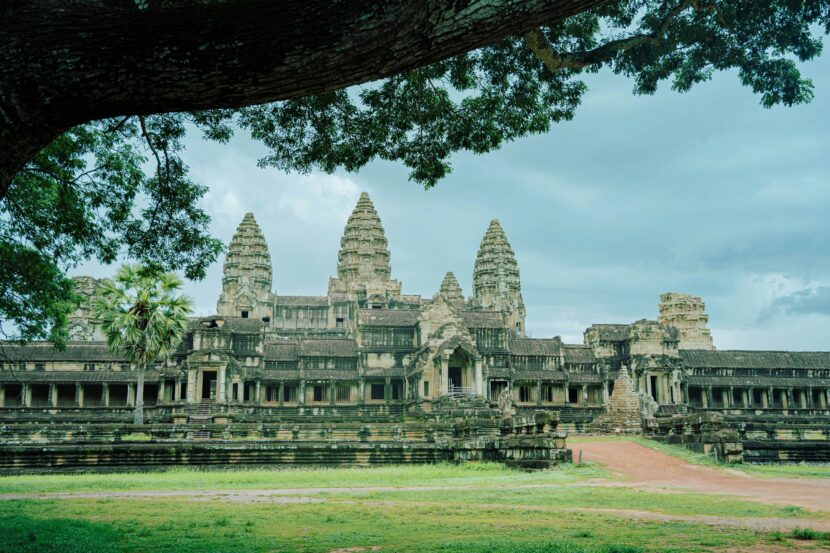
So, you’re heading to Angkor Wat and want to make sure you get the most out of this incredible place? Absolutely the right call. The sheer scale and history of Angkor are mind-blowing, and having a knowledgeable guide can really bring it to life. The big question on a lot of people’s minds is: how do you actually find and book a good private guide? It’s not as complicated as it might seem, and picking the right one can transform your experience from a nice visit to an unforgettable journey.
Why a Private Guide is Worth It at Angkor Wat
Let’s be honest, you can wander around Angkor Wat on your own. There are signs, maps, and the beauty of the temples speaks for itself. But a well-chosen private guide offers a depth of understanding and a smoother experience that just isn’t possible otherwise. Think of them as your personal historian, storyteller, and logistical wizard all rolled into one. They can point out the intricate carvings you’d likely miss, explain the symbolism hidden in plain sight, and give you the context for everything you’re seeing, from the grand narratives of kings and gods to the everyday lives of the people who built these temples.
Beyond the historical insights, a good guide can navigate the crowds, suggest the best times to visit certain temples to avoid the peak crush, and even help you find those quieter, less-trodden corners for a more personal moment of reflection. They know the best spots for photos, can advise on restroom breaks and where to grab a drink, and generally take all the stress out of logistics so you can just focus on absorbing the magic. For families with younger children, or travelers with specific interests, a private guide can tailor the experience perfectly. It’s about making your time there more meaningful, more efficient, and ultimately, more enjoyable.
Where to Start Your Search for a Guide
Finding a great private Angkor Wat guide begins with knowing your options and where to look. It’s not about a single “best” place, but rather a combination of approaches that can lead you to a reliable and knowledgeable professional. You’re looking for someone who is passionate about Angkor, has a deep well of knowledge, and crucially, communicates well with you.
Online Travel Platforms and Forums
These are often the first ports of call for many travelers, and for good reason. They offer a centralized place to compare and contrast different guides, read reviews, and get a general feel for what’s available.
TripAdvisor and Similar Review Sites
TripAdvisor is a big one. You’ll find plenty of listings for Angkor guides, often with detailed reviews from past clients. This is where you can see what others have experienced, what they liked, and any potential red flags. Look for guides with a high number of positive reviews and a consistent theme of praise for their knowledge, engagement, and professionalism. Don’t just look at the star rating; read the actual comments. Do people mention specific historical anecdotes that excited them? Did the guide cater to their specific interests?
- Pro Tip: Filter reviews by date. More recent reviews are generally more relevant. Also, pay attention to how the guide or their representative responds to reviews, good or bad. This can offer insight into their customer service.
Dedicated Travel Blogs and Online Communities
Many travel bloggers who have visited Angkor write about their experiences and often recommend specific guides they used. These can be incredibly valuable as they are often more detailed and personal than standard reviews. Similarly, travel forums like Reddit’s r/travel or r/cambodia can be goldmines of information. Post a question asking for recommendations, and you’ll often get direct advice from people who have recently been there.
- What to look for: Blog posts that detail the specific temples visited, the duration of the tour, and the cost, along with the guide’s personality and areas of expertise.
- How to use forums: Be specific in your requests. Instead of “Best Angkor guide,” try “Looking for a private guide for a 3-day Angkor itinerary, interested in Khmer art and architecture, with young children. Any recommendations?”
Local Tour Agencies in Siem Reap
Once you’re in Siem Reap, or if you prefer to book closer to your travel date, local tour agencies are a solid bet. These businesses have relationships with guides and can often vet them for quality and reliability. They can also be a good resource for booking transport and other aspects of your trip.
- How they work: You’ll typically contact an agency, explain your needs (number of days, specific temples, interests), and they will assign you a guide. They often have a roster of guides they work with regularly.
- Benefits: They can offer package deals, handle payments securely, and provide a point of contact if any issues arise with the guide during your booking or tour.
Researching Agencies Online Before You Go
Don’t wait until you land. Many reputable Siem Reap-based tour operators have websites. Do some digging to find agencies that specialize in private tours and seem to have a good reputation. Look for clear contact information, professional websites, and evidence of positive customer feedback.
- What to check: Most agencies will list their services, which may include temple tours, city tours, and cultural experiences. See if they highlight their guides’ qualifications or experience.
- Initial Contact: Reach out to a few agencies with your specific requirements to compare their offerings and pricing.
Recommendations from Your Accommodation
Your hotel or guesthouse in Siem Reap can be an excellent source of trusted recommendations. Hotels that cater to international tourists often have a network of local guides they work with and trust. They’ll usually only recommend individuals or agencies that have consistently provided good service to their guests.
- Why it’s reliable: Hotels have a vested interest in their guests having a good experience, so they are likely to recommend guides who are knowledgeable, professional, and pleasant to work with.
- How to ask: Simply ask at the reception desk when you check in. They can usually provide you with a few names or even facilitate the booking for you.
What to Look for in a Top-Rated Angkor Guide
Finding names is one thing, but discerning who will be a top-rated guide is another. Here’s a breakdown of what makes a guide truly stand out, beyond just a friendly face.
Local Knowledge and Expertise
This is paramount. A great guide isn’t just reciting facts from a history book; they are living and breathing the history and culture of Angkor.
Deep Understanding of Khmer History and Archaeology
This means they know the stories of the Khmer Empire, the significance of different deities and celestial beings depicted in the bas-reliefs, the architectural styles of various temples, and the ongoing archaeological work. They should be able to explain the evolution of the temples, from their Hindu to Buddhist periods.
- Test their knowledge: When you’re communicating with potential guides, ask about specific aspects of Angkor that you’re interested in. For example, “Can you tell me about the significance of the Apsaras?” or “What’s the difference between Banteay Srei and Angkor Wat’s architectural styles?”
Understanding of Local Culture and Contemporary Cambodia
A top guide should also have a grasp of Khmer culture today. They can offer insights into how the history of Angkor still influences Cambodian life, traditions, and society. This broader perspective enriches the experience significantly.
- Beyond the temples: Do they mention local life, village traditions, or how the legacy of Angkor is still relevant? This shows a more complete understanding.
Communication and Engagement Skills
You can have the most knowledgeable person in the world, but if they can’t communicate effectively, the experience will fall flat.
Clear and Engaging Storytelling
A great guide is a storyteller. They can weave narratives that captivate you, bringing the ancient stones to life. This involves more than just listing dates and names; it’s about creating an immersive experience where you can almost imagine the bustling city and the grand ceremonies.
- Listen carefully: Do they pause for effect? Do they use vivid language? Do they check to see if you’re following along?
Fluent English (or your chosen language)
This might seem obvious, but sometimes guides might have varying levels of fluency. For a truly immersive experience, you want someone you can easily converse with, ask questions to, and understand nuanced explanations from.
- How to assess: During your initial communication, pay attention to their grammar, vocabulary, and ease of expression. If you have a phone call, this is even more apparent.
Responsiveness and Adaptability
A good guide listens to your interests and adapts their tour accordingly. If you linger longer at a particular carving, or express a sudden fascination with a specific period, they should be able to accommodate and weave that into the narrative.
- Are they flexible? Do they ask about your interests? Are they open to minor adjustments in the itinerary on the fly, within reason?
Professionalism and Reliability
You want to feel confident that your guide will show up on time, be prepared, and conduct themselves professionally throughout the tour.
Punctuality and Organization
This includes showing up at your hotel at the agreed-upon time, having a clear plan for the day, and knowing the logistics of accessing different temples.
- Check reviews for this: Repeated mentions of unreliability or disorganization in reviews are a big red flag.
Licensed and Certified Guides
In Cambodia, guides are often licensed. While this isn’t always a guarantee of quality, it often indicates a level of training and adherence to ethical standards. You can often ask if they are licensed.
- Information to look for: Some websites or tour agencies will mention if their guides are licensed by the Ministry of Tourism.
Fair Pricing and Transparency
While you want a good guide, you also want fair value. Top guides will have clear pricing structures, and there should be no hidden fees.
- What to expect: Prices usually vary based on the duration of the tour (half-day, full-day) and the number of people. Always clarify what is included (e.g., entrance tickets are usually separate, but transport might be).
How to Book Your Private Guide
Once you’ve identified some potential guides, the next step is to book them. This process is generally straightforward, but a few things can help ensure a smooth transaction.
Initial Contact and Screening
The first interaction you have with a guide or agency is crucial. This is your opportunity to gauge their responsiveness and professionalism.
Email or Message Exchange
Start by sending an email detailing your desired dates, the number of people in your group, your interests (e.g., “we are very interested in the detailed bas-reliefs,” or “we have two young children, so need a pace that suits them”), and how many days you envision needing a guide.
- Example queries:
- “I am planning a trip to Siem Reap from [start date] to [end date]. I would like to book a private guide for [number] days to explore the Angkor temples. We are a group of [number] adults and are particularly interested in [mention interests].”
- “Could you please provide your availability for guided tours on [date(s)]? We are interested in a full-day tour of Angkor Wat, Angkor Thom, and Ta Prohm. Our preference is for a guide who can explain the mythology behind the carvings.”
Asking Key Questions
Don’t be afraid to ask questions. This is not being demanding; it’s being informed.
- “What is your approach to guiding? Do you focus more on history, art, or daily life?”
- “What is your rate for a full-day tour?”
- “Are entrance passes included in your fee?” (Usually no, but good to confirm).
- “Do you include transportation, or would I need to arrange that separately?”
- “What is your cancellation policy?”
- Listen to the answers: Are they clear, concise, and helpful? Do they seem genuinely interested in your trip?
Confirmation and Payment
Once you’ve found the right guide, you’ll need to confirm the booking and arrange payment.
Detailed Itinerary and Confirmation
Before payment, ensure you have a clear, written confirmation of your booking. This should include:
- Dates and times of tours.
- Specific temples or areas to be visited.
- Agreed-upon price for the guide services.
- Details about what the price includes and excludes.
- Meeting point.
- Review this carefully: Make sure all details match your discussions.
Payment Methods
Most guides will require a deposit to secure your booking, with the balance payable on the day or at the end of the tour. Common payment methods include:
- Online payment: PayPal, bank transfer (less common for individual guides, more for agencies).
- Cash: USD is widely accepted and preferred in Cambodia. You will likely pay the balance in USD cash.
- Be aware: For independent guides, cash payment is very common. For agencies, they might offer more electronic payment options. Always clarify the expected payment schedule and method in advance.
Pre-Tour Communications
The best guides maintain communication leading up to your tour.
Final Check-ins
A good guide might send a message a day or two before your tour to confirm details, answer any last-minute questions, and let you know what to expect. This builds confidence and ensures everyone is on the same page.
- What to look for: A friendly reminder about the meeting time and place, and perhaps a note about the weather or what to bring.
Making the Most of Your Private Angkor Guide
Booking a great guide is only half the battle. To truly maximize the value, you need to actively participate and engage with them.
Be an Active Participant
Don’t just be a passive observer. Your guide is there to share their knowledge, and your engagement will make the experience richer for both of you.
Ask Questions
Seriously, ask everything that comes to your mind. No question is too basic or too silly. If you see something interesting, ask about it. If you don’t understand something, ask for clarification. This is your opportunity to learn.
- Example questions: “Why is this stone a different color here?” “What kind of trees are these?” “What does this specific carving represent?”
Share Your Interests
The more your guide knows about what fascinates you, the better they can tailor the experience. Did you read a book about Angkor? Are you fascinated by Buddhist art? Do you have a particular interest in the engineering aspects of the temples? Let them know!
- Be specific: “I’ve read a bit about the Ramayana and want to understand how it’s depicted at Angkor Wat. Can we focus on those sections?”
Take Notes or Photos (Mindfully)
If you’re capturing memories or details, your guide can often point out the best angles or the most significant elements to focus on in your photos. If you’re taking notes, you can also share an interesting point they made with them later to see if they can elaborate.
- Ask for photo tips: “Is there a good spot to get a photo of the reflection of the temple?”
Respect and Etiquette
Remember you are visiting a place of historical and religious significance, and you are interacting with local people.
Dress Appropriately
To enter the temples at Angkor, you need to dress respectfully. This typically means covering your shoulders and knees. Many guides will remind you of this, but it’s good to be prepared.
- Best practice: Bring a light scarf or sarong that you can use to cover up if needed.
Be Mindful of the Environment
Angkor Wat is an ancient site, and it’s important to treat it with respect. Avoid touching delicate carvings unless specifically permitted, and certainly don’t climb on ruins.
- Listen to your guide: They will remind you of any specific restrictions or areas that are off-limits.
Show Gratitude
A little appreciation goes a long way. A sincere “thank you” and a positive review after your tour are incredibly meaningful to guides.
- Consider a tip: While not always mandatory, tipping is a common practice if you’ve had an exceptional experience. Your guide can advise on local customs if you’re unsure, but generally, a small token of appreciation for great service is well-received.
Navigating Potential Pitfalls
While searching for a guide, there are a few things to keep an eye out for to avoid disappointment.
Unlicensed or Unofficial Guides
Some individuals might offer their services as guides without official licensing or proper training. While they might be locals with some knowledge, they may lack the depth, accuracy, or professional standards of a licensed guide.
- How to identify: They might approach you aggressively, or their English might be limited. If an agency or platform doesn’t have clear information on their guides’ qualifications, proceed with caution.
Over-Promising and Under-Delivering
Be wary of guides who make grand claims or promise an “exclusive” experience that sounds too good to be true, especially if their pricing seems significantly lower than others.
- Look for realism: A good guide will be honest about what can be achieved in a certain timeframe and will not make unrealistic assurances.
Hidden Costs and “Commissions”
Some individuals might try to steer you towards certain shops or restaurants where they receive a commission. This can detract from your genuine exploration of Angkor.
- Be firm but polite: If you feel pressured, clearly state your preferences. A good guide will respect your decisions and focus on your tour. You can always ask directly, “Do you receive any commission if I choose to buy something here?”
- Your freedom: Remember, you are paying for their expertise and time. You are not obligated to buy anything or visit any place you don’t wish to.
Lack of Enthusiasm or Engagement
A guide who seems bored, rushed, or uninterested will significantly dampen your experience.
- Trust your gut: During your initial interactions, do they sound passionate and engaged? Do they seem excited to share their knowledge?
By following these steps, you can increase your chances of finding a truly top-rated private guide who will make your visit to Angkor Wat an unforgettable adventure. It’s about finding that perfect blend of knowledge, personality, and professionalism to unlock the full wonder of this ancient kingdom.
FAQs
1. What is Angkor Wat and why should I hire a private guide?
Angkor Wat is a famous temple complex in Cambodia and hiring a private guide can enhance your experience by providing in-depth historical and cultural insights, as well as navigating the complex efficiently.
2. How can I find a top-rated private Angkor Wat guide in Cambodia?
You can find top-rated private Angkor Wat guides in Cambodia through online travel platforms, tour agencies, or by asking for recommendations from fellow travelers who have visited the area.
3. What should I consider when booking a private Angkor Wat guide?
When booking a private Angkor Wat guide, consider their experience, knowledge of the area, language proficiency, and reviews from previous clients to ensure a quality experience.
4. What are the benefits of hiring a private guide for Angkor Wat?
Hiring a private guide for Angkor Wat can provide personalized attention, flexibility in the itinerary, deeper cultural understanding, and the ability to avoid crowds and discover hidden gems within the complex.
5. How far in advance should I book a private Angkor Wat guide?
It is recommended to book a private Angkor Wat guide at least a few weeks in advance, especially during peak tourist seasons, to secure the services of a top-rated guide and ensure availability for your preferred dates.