














Looking to book verified island-hopping and diving guides in the Philippines? The most reliable way is through reputable dive shops and tour operators registered with the Department of Tourism (DOT). They’re your best bet for experienced, accredited guides who prioritize safety and local regulations.
Why Verified Guides Matter
You might be thinking, “Can’t I just find someone at the beach?” While that’s an option, a verified guide offers peace of mind. These aren’t just folks who know their way around; they’re professionals who’ve undergone training, passed certifications, and often hold licenses. This directly translates to safer experiences, better local insights, and knowing your money supports legitimate businesses and local communities.
Navigating the Booking Landscape
The Philippines is an archipelago with thousands of islands, meaning the booking landscape can vary. What works in Palawan might be slightly different in Cebu. That said, some core principles apply everywhere.
Finding Reputable Operators
Knowing where to start looking is half the battle. Here are some trusted avenues:
Department of Tourism (DOT) Accreditation
This is your gold standard. The DOT maintains a list of accredited establishments, including tour operators and dive shops.
- Online Search: Head to the official DOT website (it’s often “tourism.gov.ph” – always double-check the URL). They usually have a searchable database of accredited businesses.
- Local DOT Offices: If you’re already in a destination, pop into the local DOT office. They can provide brochures and recommendations for accredited operators.
- What Accreditation Means: DOT accreditation signifies that the business meets a certain standard of service, safety, and legitimate operations. It’s not a guarantee against all issues, but it’s a strong indicator of reliability.
Trusted Online Travel Agencies (OTAs)
While OTAs have a mixed reputation, for established operators, they can be a convenient booking channel.
- Major International OTAs: Platforms like Klook, GetYourGuide, Viator, and even some established local ones (e.g., Guide to the Philippines) often feature established tour operators.
- Read Reviews Carefully: Don’t just look at the star rating. Dive into the actual comments. Look for mentions of guide professionalism, safety practices, equipment quality, and communication.
- Cross-Reference: If you find an operator on an OTA, try to find their direct website or social media page to cross-reference information and potentially book directly for better deals.
Direct Booking with Dive Shops
For diving and often for integrated island-hopping packages, booking directly with a dive shop is highly recommended.
- Research Specific Locations: If you’re going to Coron, El Nido, Malapascua, or Panglao, search for “Coron dive shops,” “El Nido island hopping tours,” etc.
- Check Certifications: Reputable dive shops will prominently display their PADI, SSI, or other international diving organization accreditations. This means their instructors and divemasters are certified.
- Visit in Person (if possible): If you have time upon arrival, walk into a few shops. Observe their facilities, equipment, and how staff interact with customers. A good vibe is often a telling sign.
- Inquire About Guides: Ask about the experience and certifications of their divemasters or tour guides. A good shop will readily provide this information.
Hotel and Resort Concierges
Many hotels, especially mid-range to high-end ones, have relationships with reputable tour operators.
- Convenience Factor: This is often the easiest option, as the concierge can handle all the details.
- Potential Markup: Be aware that hotels often add a commission, so you might pay slightly more than if you booked directly.
- Verify Recommendations: Don’t just take their word for it. You can still do a quick online search for the recommended operator to check reviews.
What to Look For in a Guide or Operator
Once you’ve identified a few potential options, here’s what to scrutinize:
Safety Protocols and Equipment
This is non-negotiable, especially for diving.
- For Diving:
- Certified Instructors/Divemasters: Ensure they are active and certified by organizations like PADI, SSI, etc. You can often look up certifications online.
- Equipment Condition: Ask about their gear maintenance. Are regulators serviced regularly? Are BCDs and wetsuits in good condition? Do they provide proper sizing?
- Safety Briefings: A comprehensive safety briefing before every dive or water activity is crucial.
- Emergency Procedures: What are their plans for a diving emergency (e.g., nearest hyperbaric chamber, emergency contact)?
- First Aid Training: Are guides trained in first aid and CPR?
- For Island Hopping:
- Boat Condition: Observe the boat. Is it well-maintained? Are there life jackets for everyone (including children)?
- Experienced Crew: The boat captain and crew should be experienced in navigating local waters.
- Weather Monitoring: Reputable operators will monitor weather conditions and won’t go out if it’s unsafe.
Certifications and Licenses
Proof of professionalism extends beyond just knowing how to swim.
- DOT Guide License: Tour guides in the Philippines are required to have a DOT Guide License. This validates their training, knowledge of the area, and adherence to tourism standards. Don’t hesitate to ask to see it.
- Diving Certifications: For divemasters and instructors, verify their PADI, SSI, or other agency certifications.
- Boat Registration: Boats should be registered with the Philippine Coast Guard and have appropriate permits.
Environmental Responsibility
A good guide doesn’t just show you beautiful places; they help preserve them.
- Briefings on Marine Etiquette: They should educate you on responsible interaction with marine life (e.g., no touching corals, no feeding fish).
- Waste Management: Do they promote proper waste disposal on their tours?
- Sustainable Practices: Inquire if they support local conservation efforts or use eco-friendly practices.
Local Knowledge and Communication
Part of the value of a guide is their insights.
- Language Proficiency: Ensure your guide can communicate effectively in English (or your preferred language).
- Local Culture and History: A good guide will share interesting facts about the islands, their history, and the local way of life.
- Flexibility and Responsiveness: Are they willing to tailor the tour to your interests when possible? Do they answer your questions thoroughly?
Transparency in Pricing
Hidden fees are always a nuisance.
- All-Inclusive vs. Exclusions: Clarify what’s included (e.g., entrance fees, lunch, equipment rental, environmental fees) and what’s not.
- Payment Methods: Understand their preferred payment methods and any associated fees.
The Booking Process
So you’ve narrowed down your choices. What’s next?
Initial Inquiry
- Email or Messaging: Start with an email or message through their website/social media. Be clear about your dates, number of people, specific interests (e.g., beginner diver, specific dive sites, types of islands).
- Ask Specific Questions: Don’t be shy. Ask about guide certifications, safety protocols, included items, and group size.
Confirming Details
- Itinerary: Get a clear itinerary, even for island hopping. What stops will you make? How long at each?
- Payment and Deposit: Most operators require a deposit, especially for multi-day tours or diving packages. Understand their refund and cancellation policy.
- Confirmation: Get a written confirmation of your booking, either via email or a secure booking platform.
Pre-Trip Communication
- Updates: A reputable operator will proactively communicate any changes or provide pre-trip information (e.g., what to bring, pick-up times).
- Emergency Contact: Ensure you have their emergency contact number.
Important Considerations and Red Flags
Being a savvy traveler means knowing what to look out for.
Don’t Hail Random Guides
- The Beach Tout: While some informal guides are genuinely good, many are not vetted, lack proper training, and may not have appropriate safety gear or insurance. The risk isn’t worth saving a few dollars.
Cheap Deals Can Be Risky
- Too Good to Be True: If a price seems significantly lower than others for a similar package, it’s often an indicator that corners are being cut (e.g., poor equipment, untrained staff, less experienced guides, or hidden fees).
- Compromised Safety: This is where cutting costs becomes genuinely dangerous, especially in water activities.
Overly Aggressive Sales Tactics
- High Pressure: If you feel pressured to book on the spot without time to research, walk away. Reputable operators are confident enough in their service not to resort to aggressive sales.
Lack of Clear Information
- Vagueness: If an operator is vague about their services, safety records, or guide qualifications, that’s a red flag.
- No Online Presence: While small local businesses might have limited online presence, established and reputable ones usually have a website, active social media, or are listed on travel platforms.
Unclear Payment Terms
- Cash Only (without reason): While some small local businesses are legitimately cash-only, be wary if they push solely for cash without clear reasons or refuse to provide receipts.
After Your Trip
Provide Feedback
- Reviews are Valuable: Leave honest reviews on DOT websites, Google Maps, TripAdvisor, or relevant booking platforms. This helps other travelers and encourages operators to maintain high standards.
- Direct Feedback: If you have concerns, address them directly with the operator first.
Booking verified island-hopping and diving guides in the Philippines is quite straightforward once you know where to look and what questions to ask. Prioritizing safety, DOT accreditation, and transparency will lead to an unforgettable and worry-free adventure in this beautiful country. Enjoy your journey through the incredible Philippine islands!
FAQs
What is island-hopping and diving in the Philippines?
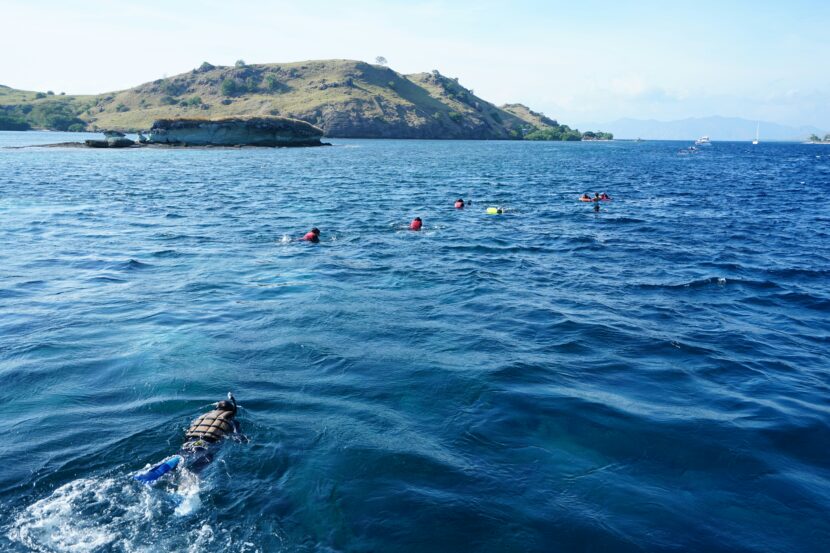
Island-hopping in the Philippines involves visiting multiple islands in a single trip, often including activities such as snorkeling, swimming, and exploring the natural beauty of the islands. Diving in the Philippines is popular due to its rich marine biodiversity, with opportunities to see coral reefs, colorful fish, and even whale sharks.
Why should I book verified island-hopping and diving guides in the Philippines?
Booking verified guides ensures that you have a safe and enjoyable experience. Verified guides are knowledgeable about the best spots for island-hopping and diving, and they prioritize safety and environmental conservation.
How can I book verified island-hopping and diving guides in the Philippines?
You can book verified island-hopping and diving guides in the Philippines through reputable tour companies, travel agencies, or online platforms that specialize in adventure tours. Look for companies that have positive reviews and a commitment to sustainable tourism.
What should I consider when booking island-hopping and diving guides in the Philippines?
When booking island-hopping and diving guides in the Philippines, consider factors such as the guide’s experience and certifications, the types of activities offered, safety measures in place, and the guide’s knowledge of the local marine life and ecosystems.
What are some popular destinations for island-hopping and diving in the Philippines?
Popular destinations for island-hopping and diving in the Philippines include Palawan, Cebu, Bohol, and Siargao. These locations offer stunning natural landscapes, diverse marine life, and opportunities for both beginner and experienced divers.