















So, you’re planning a trip to Ireland and want to soak in the quintessential experiences: the cozy pubs, the ancient history, and those dramatic Cliffs of Moher. Excellent choice! It can seem a bit daunting to figure out how to book the best of these without just stumbling into something average. The good news is, it’s totally doable, and with a little know-how, you can ensure your Irish adventure is packed with authentic charm and jaw-dropping scenery.
Finding Your Perfect Irish Pub Experience
Forget the tourist traps with inflated prices and bland fare. The real magic of an Irish pub lies in its atmosphere, its people, and the stories it holds. Booking a pub experience isn’t always about a formal reservation, but rather about aiming for the right kind of place and timing.
The “Booking” Nuance for Pubs
Let’s be clear: most traditional Irish pubs don’t take reservations for small groups just looking for a pint and some conversation. They thrive on walk-ins. However, if you’re aiming for something specific, like a traditional music session or a meal, or if you’re a larger group, then a little planning makes sense.
Catching Live Traditional Music
This is where the “booking” becomes more relevant. Many pubs host live traditional Irish music sessions, often several nights a week. These aren’t usually ticketed events in the formal sense, but knowing the schedule is key.
- Research Local Pubs: Before you go, research pubs in the areas you’ll be visiting. Websites like The Session (thesession.org) can be a great resource for finding live music listings, though always double-check with the pub directly.
- Arrive Early for the Best Spots: If you want a table with a good view of the musicians, especially in popular spots, aim to arrive an hour or so before the music is scheduled to start. Evenings around 8:00 PM to 9:00 PM are typical.
- Larger Groups and Music: If you’re a group of 6 or more and specifically want to hear music, it’s wise to call the pub a day or two in advance. They might not reserve a “best” seat, but they can advise you on which nights are busiest and if they have any larger tables available around music time.
Dining in a Pub
Many pubs offer excellent food, from hearty stews to fresh seafood. For dinner, especially on a weekend, it’s a good idea to book, particularly if you have your heart set on a specific establishment.
- Call Ahead or Book Online: If a pub has a restaurant area or is known for its food, check their website. Many now have online booking systems or a phone number to ring. This is especially true for pubs in larger towns or cities.
- Weekends vs. Weekdays: Weekends are prime dining time. If you’re planning on a Friday or Saturday night, booking is almost always recommended to avoid disappointment. Weeknights are generally more relaxed.
What to Look For in a “Good” Pub
Beyond just booking, how do you find the truly memorable ones?
- Local Recommendations: Chat with your accommodation hosts, taxi drivers, or friendly locals. They’ll point you towards the hidden gems.
- The Buzz: A good pub has a lively, welcoming atmosphere. Listen for the murmur of conversation, the clinking of glasses, and maybe some live chatter rather than just blaring TVs.
- The Guinness Pour: A well-poured pint of Guinness is an art form. Look for pubs where the bartender takes their time, letting it settle properly. This is often a sign of a pub that cares about quality.
- Authentic Decor: Think snugs, open fires, perhaps some old photographs on the walls. It doesn’t have to be fancy, but it should feel lived-in and genuine.
Unearthing Ireland’s Rich History: Booking Tours Wisely
Ireland’s history is woven into its landscape, from ancient megalithic tombs to grand Georgian squares. When it comes to booking historical tours, the key is to find guides who are passionate, knowledgeable, and can bring the past to life.
The Value of a Specialist Guide
While you can certainly explore many historical sites independently, a good guide can transform your understanding and appreciation. They offer context, stories, and insights you’d never find in a guidebook.
Choosing the Right Tour Type
There’s a spectrum of historical tours, catering to different interests and levels of engagement.
- Guided Walking Tours: These are fantastic for cities like Dublin, Galway, or Cork. They allow you to cover a lot of ground, learning about architecture, significant events, and the people who shaped the city.
- Booking: Many cities have free (tip-based) walking tours that depart daily from central locations. While you can often just show up, booking online is sometimes possible and can save you time. Paid tours, often themed (e.g., literary tours, Viking history tours), definitely require booking and are usually more in-depth.
- Site-Specific Guided Tours: For major historical sites like the Aran Islands, Newgrange, or a particular castle, specific guided tours are invaluable.
- Booking: For very popular sites like Newgrange (Brú na Bóinne), booking is essential and often needs to be done weeks or even months in advance, especially during peak season. Tickets are managed through visitor centres. For other sites, especially during summer, booking ahead online is highly recommended to guarantee your spot and avoid long queues.
- Multi-Day Historical Itineraries: If you’re keen on a deep dive, consider booking a multi-day tour that focuses on a historical region or theme. These are often led by expert historians.
- Booking: These are typically booked well in advance through specialized tour operators.
Finding an Exceptional History Guide
What separates a good history guide from a great one?
- Passion and Enthusiasm: A guide who genuinely loves history and their subject matter is infectious. Look for reviews that mention their storytelling ability and passion.
- Local Knowledge: A guide who lives in the area often has a deeper understanding of local nuances and lesser-known stories.
- Informative, Not Just Factual: The best guides can weave facts into engaging narratives, making history relatable and memorable.
- Clear Communication: They should be able to explain complex topics clearly and answer questions patiently.
Tips for Booking Historical Tours
- Read Reviews Carefully: Online reviews are your best friend. Look for specific comments about the guide’s knowledge, engagement, and the tour’s overall value.
- Check Tour Operator Reputation: If booking through a larger company, research their overall standing and customer satisfaction.
- Consider Group Size: Smaller group tours often offer a more personal and interactive experience.
- Factor in Time: Don’t overschedule yourself. Allow ample time for each historical site and for spontaneous discoveries.
Experiencing the Majestic Cliffs of Moher: Booking Your Visit
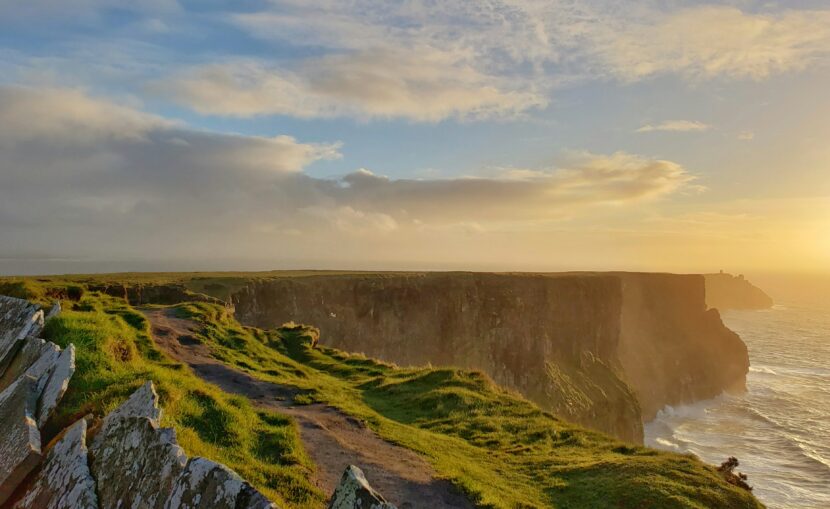
The Cliffs of Moher are an undisputed icon of Ireland, and for good reason. Their sheer scale and dramatic beauty are breathtaking. Booking your visit isn’t strictly about getting tickets for the cliffs themselves, but rather about choosing the best way to experience them and avoiding the crowds.
The Cliffs of Moher Visitor Experience
The official Cliffs of Moher Visitor Experience managed by Clare County Council provides the infrastructure for most visitors.
Entrance Fees and Parking
- Fee Structure: There is an entrance fee per vehicle for parking at the main visitor centre. This fee covers access to the visitor centre facilities, the exhibition, and the cliff-top pathways. It’s not a per-person fee, which is important if you’re travelling with multiple people in one car.
- Online Booking (Recommended): While you can pay on arrival, booking your parking ticket online in advance through the official Cliffs of Moher website is highly recommended, especially during peak season (summer months, weekends, and holidays). This helps manage visitor numbers, speeds up your entry, and can sometimes offer slight discounts.
- Best Time to Visit: To avoid the worst of the crowds and potentially experience the cliffs in better light, aim to visit early in the morning (before 10:00 AM) or later in the afternoon (after 4:00 PM). Midday is always the busiest.
What the Visitor Experience Includes
- Visitor Centre: A well-designed centre with interactive exhibits that tell the story of the cliffs, their geology, wildlife, and human history.
- Pathways and Viewing Areas: Paved, safe pathways lead along the cliff edge to various viewing points. There’s also an observation tower.
- O’Brien’s Tower: A historic tower offering panoramic views, accessible from the main pathways.
Alternative Ways to Experience the Cliffs
While the visitor centre is the most common way to access the cliffs, there are other options that offer different perspectives.
Walking from Doolin or Liscannor
- The Cliffs of Moher Coastal Walk: You can walk to the cliffs from the nearby villages of Doolin (to the north) or Liscannor (to the south). This is a fantastic option for those who enjoy hiking and want to experience the coastline at a more leisurely pace.
- No Booking Required for the Walk Itself: You can simply start walking.
- Parking Considerations: If you walk from Doolin, you’ll likely park your car in Doolin. If you walk from Liscannor, you’ll park there.
- Visitor Centre Access: If you walk from Doolin, you’ll reach the northern end of the visitor centre’s paid area. You can choose to pay the entrance fee to access the facilities or continue walking on public paths. If walking from Liscannor, you’ll reach the southern end.
- Practical Tip: Be aware of the distances and terrain. The path is well-maintained but can be uneven in places. Wear sturdy shoes.
Boat Tours
- Perspective from the Sea: Taking a boat tour offers a truly spectacular perspective of the cliffs from below, highlighting their immense height and the seabird colonies that nest there.
- Departure Points: Tours typically depart from Doolin Harbour and, to a lesser extent, from Liscannor.
- Booking is Essential: These are popular and operate on schedules. Booking boat tours online several days in advance, especially during tourist season, is highly recommended.
- Choosing a Tour Operator: There are several boat tour operators from Doolin. Research their departure times, cruise durations, and reviews. Tours often range from 45 minutes to 1.5 hours.
- What to Expect: Tours typically go right up to the base of the cliffs, offering incredible photo opportunities and a sense of the sheer scale. You’ll often see puffins, guillemots, and other seabirds.
Tips for Making the Most of Your Cliffs of Moher Visit
- Check the Weather: The weather on the west coast can change rapidly. Fog, wind, and rain are common. Even on a cloudy day, the cliffs can be dramatic, but clear skies offer the best views.
- Dress Appropriately: Layers are key. Bring waterproof and windproof clothing, and sturdy, comfortable walking shoes.
- Be Mindful of Safety: Never go beyond the marked paths or safety barriers. The edges are unstable and the drops are sheer.
- Allow Plenty of Time: Don’t rush your visit. Give yourself at least 2-3 hours to explore the visitor centre, walk the paths, and take in the views. If you’re doing the coastal walk or a boat tour in addition, factor in even more time.
- Consider Shoulder Seasons: Visiting in April, May, September, or October can offer a more tranquil experience with fewer crowds, though the weather can be more unpredictable.
Integrating Pubs, History, and Cliffs: Smart Itinerary Planning
The beauty of Ireland is that these iconic experiences – vibrant pubs, deep history, and stunning natural landscapes – often overlap geographically, making it easier to weave them into a cohesive and memorable trip.
Leveraging West Coast Hubs
The west coast of Ireland is particularly rich in all three. Towns like Galway City, Ennis (County Clare), and Doolin are fantastic basecamps.
- Galway City: A lively city with a renowned pub scene (think traditional music every night), a rich history stretching back to the medieval period, and it’s a good jumping-off point for day trips to Connemara and the Aran Islands.
- Booking: Book accommodation in Galway well in advance, especially during festival periods. Pubs are generally walk-in, but for popular restaurants or larger groups wanting a meal, booking is advised.
- Ennis (County Clare): Known as the traditional music capital of Ireland, Ennis offers world-class pubs for music and craic. It’s also close to historical sites like Quin Abbey and Bunratty Castle, and gives easy access to the Cliffs of Moher and the Burren.
- Booking: Ennis is a smaller town, so accommodation can book up. Pubs are usually easy to get into for a drink, but for popular music sessions in smaller venues, arriving a bit early is wise.
- Doolin (County Clare): This picturesque village is famous for its traditional music pubs and is the primary departure point for Cliffs of Moher boat tours and ferries to the Aran Islands. It’s the perfect place to immerse yourself in the atmosphere.
- Booking: Doolin is small and accommodation is limited. Book your stay very far in advance, especially if you want a room in a village pub-turned-guesthouse. Book boat tours and Aran Island ferries ahead of time too.
Day Trip Strategies
Many visitors choose to base themselves in larger towns and do day trips.
- Day Trip to the Cliffs of Moher & The Burren: From Galway or Ennis, you can easily book a guided bus tour that combines the Cliffs of Moher with a drive through the unique karst landscape of the Burren, often including stops at historical sites like Poulnabrone Dolmen.
- Booking: These tours book up. Book online at least a few days in advance. This is a great option if you don’t want to drive or rent a car.
- Dublin Day Trips: From Dublin, you can take day tours that focus on historical sites like Newgrange, the Wicklow Mountains (Glendalough monastic site), or even a longer tour to Kilkenny.
- Booking: Similar to west coast tours, book popular day trips in advance.
The Nuance of “Booking” for Different Attractions
The term “booking” in Ireland can cover a wide range of arrangements, from securing a spot at a tiny music session to reserving tickets for a major historical attraction. Understanding these nuances helps you plan effectively.
Pre-Booking vs. On-the-Day
- Essential Pre-Booking: For attractions with limited capacity or managed ticketing, pre-booking is non-negotiable. This includes:
- Newgrange (Brú na Bóinne)
- Popular castles with timed entry (e.g., Kilkenny Castle during peak hours)
- Boat tours (Cliffs of Moher, Aran Islands)
- Accommodation, especially in small villages or during peak season.
- Highly Recommended Pre-Booking: For popular sites or tours during peak season, booking online in advance will save you time and guarantee entry:
- Cliffs of Moher Visitor Experience (parking)
- Guided walking tours in major cities.
- Bus tours to major attractions.
- On-the-Day (with Caveats): For many traditional pubs, smaller historical sites, or services during the off-season, you can often just show up.
- Pubs: Generally, unless you have a large group or are dining at a specific time, walk-in is the norm. For music, arriving early is your “booking” strategy.
- Smaller Castles/Attractions: If they have ample space and no timed entry, you can often pay on arrival. However, checking their website beforehand is always wise.
What to Look For When Booking Online
- Official Websites: Always prioritize booking directly through the official website of the attraction or a reputable tour operator.
- Clear Cancellation Policies: Understand the terms and conditions, especially for accommodation and tours, in case your plans change.
- Confirmation Emails: Ensure you receive a confirmation email with all the necessary details (booking reference, date, time, meeting point).
- Reviews: For tours and guides, check independent review platforms to gauge quality.
Beyond the Main Attractions: Discovering Hidden Gems
While the Cliffs of Moher, iconic pubs, and major historical sites are must-sees, the true magic of Ireland often lies in its less-trodden paths and the unexpected discoveries you make. Booking can also play a role here.
Smaller, Local History
- Local Museums: Many towns have small, community-run museums that offer unique insights into local history, industry, or notable figures. These are often free or have a small donation box. No booking needed.
- Architectural Gems: Wander through towns and villages, seeking out beautiful Georgian architecture, old churches, and historical market squares. Often just a matter of exploring.
Rural Pubs and Music Sessions
- The “Local” Pub: Venture away from the main tourist routes and seek out the pub that’s clearly the hub of the local community. These are often where you’ll find the most authentic traditional music sessions happening spontaneously.
- No Booking: These are pure walk-in, be-present experiences. The “booking” is simply being a respectful patron.
- Listen and Observe: If you hear music spilling out of a pub, pop your head in. If there’s space and a welcoming vibe, join in.
Walking and Hiking Opportunities
- Coastal Paths and Forest Trails: Ireland has a network of well-maintained walking trails beyond the famous cliff walks. Research local walking groups or national park websites for ideas.
- No Booking: Generally, these are open access.
- Information Points: Look for local tourist information centres for maps and advice.
Culinary Experiences
- Farmers’ Markets: If you can time your visit with a local market, you’ll discover delicious artisanal foods and often chat with the producers.
- No Booking: Just turn up and enjoy the atmosphere.
- Farm-to-Table Restaurants: Some rural areas boast restaurants that are deeply committed to local produce. These may require booking, especially for dinner.
By combining the practicalities of booking for the headline acts with an openness to spontaneous exploration, your Irish adventure will be rich, authentic, and truly unforgettable. Enjoy the journey!
FAQs
1. What are the best pubs to visit in Ireland?
The best pubs to visit in Ireland include The Temple Bar in Dublin, Dick Mack’s in Dingle, and The Brazen Head in Dublin, which is Ireland’s oldest pub.
2. What historical sites should I visit in Ireland?
Some historical sites to visit in Ireland include the Rock of Cashel, Newgrange, and the Blarney Castle. These sites offer a glimpse into Ireland’s rich history and heritage.
3. How can I book a guided tour of the Cliffs of Moher?
You can book a guided tour of the Cliffs of Moher through various tour companies in Ireland, such as Paddywagon Tours or Wild Rover Tours. Additionally, you can also book a tour directly through the Cliffs of Moher Visitor Experience website.
4. What are some popular activities to do in Ireland?
Popular activities to do in Ireland include visiting the Guinness Storehouse in Dublin, exploring the Ring of Kerry, and taking a traditional Irish music and dance show.
5. What is the best way to experience the local culture in Ireland?
To experience the local culture in Ireland, consider visiting local pubs and engaging with the friendly locals, attending traditional music sessions, and exploring small towns and villages to get a taste of authentic Irish life.