













Sometimes, the idea of a “perfect holiday” can feel a bit out of reach, but it boils down to one simple thing: a break that truly recharges you. Forget fancy brochures and Instagram filters for a moment. Ultimate relaxation isn’t about the most expensive view or the trendiest destination; it’s about crafting an experience that alleviates your stresses and leaves you feeling genuinely refreshed and ready to tackle life again. It’s about tailoring your downtime to your specific needs, whether that’s absolute quiet, gentle exploration, or even just catching up on sleep in a new setting.
Figuring Out Your Relaxation Style
Before you can even think about booking anything, it’s worth taking a moment to consider what “relaxation” actually means to you. We all decompress in different ways, and understanding your own unique preference is the first step to planning that truly perfect escape.
Active vs. Passive Relaxation
Do you recharge by doing things, or by doing nothing at all? Some people find tranquility in a challenging hike through nature, the focus required for a new craft, or even learning a new skill like surfing. For them, “active relaxation” is key. Their perfect holiday might involve exploring ancient ruins, cycling through scenic routes, or scuba diving in clear waters. The challenge and the engagement are what unwinds them, pulling them away from their daily worries by giving them something else to focus on.
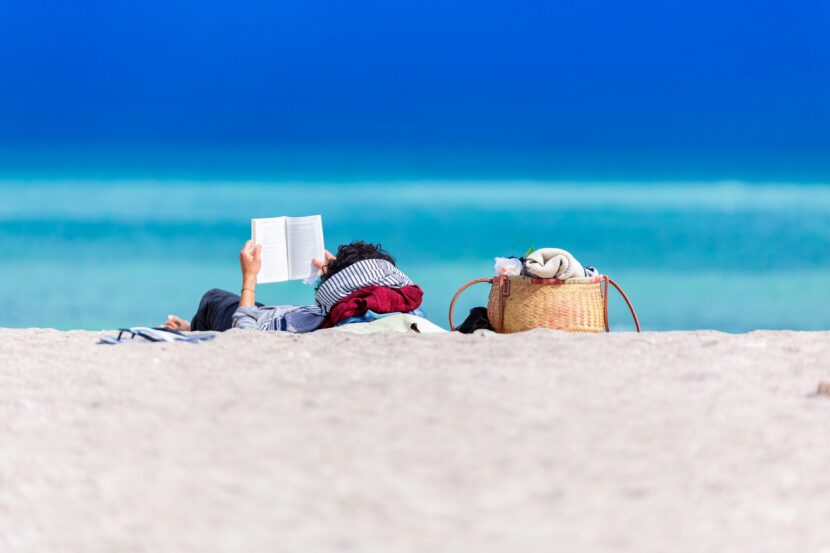
On the other hand, many people associate relaxation with total inertia. Lounging by a pool with a good book, taking long naps, enjoying leisurely meals, or simply staring out at the ocean for hours on end – these are the hallmarks of “passive relaxation.” Their ideal break is about minimizing effort and maximizing comfort. It’s about letting go of schedules and just being. There’s no right or wrong answer here; it’s purely about what resonates with your personal energy levels and preferences.
Solitude vs. Social Connection
Another important consideration is whether you prefer to relax alone, with a partner, or with a group. For some, true relaxation means escaping the demands of others, even loved ones, and enjoying complete solitude. This could be a solo retreat, a quiet cabin in the woods, or a focused meditation trip. The absence of social obligation can be incredibly liberating and restorative.
Others find relaxation enhanced by shared experiences. This doesn’t necessarily mean constant interaction, but rather the comfort of having loved ones nearby, sharing meals, or enjoying activities together. A romantic getaway, a family trip with low-key activities, or a peaceful escape with a close friend can be deeply satisfying if social connection is part of your relaxation formula. It’s about finding that sweet spot where you feel connected but not overwhelmed by demands.
Choosing Your Environment Wisely
The physical environment of your holiday plays a massive role in your ability to relax. It’s not just about the destination, but also about the specific type of place you’ll be spending your time.
Nature’s Embrace: Mountains, Beaches, Forests
There’s a reason why so many people flock to natural settings for their holidays. The sound of waves, the rustle of leaves, the crisp mountain air – these elements can be profoundly calming.
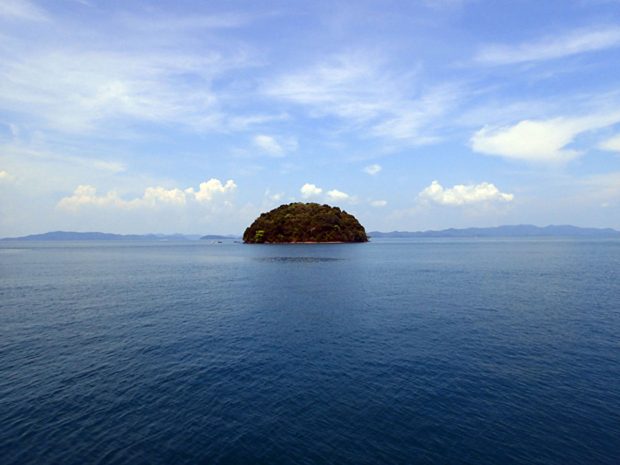
If you thrive by the sea, a beach holiday offers long walks on the sand, the rhythmic sound of the ocean, and often a slower pace of life. You can spend your days swimming, reading under an umbrella, or enjoying fresh seafood. Destinations like quiet coastal towns in Europe, the Caribbean, or Southeast Asia can be perfect.
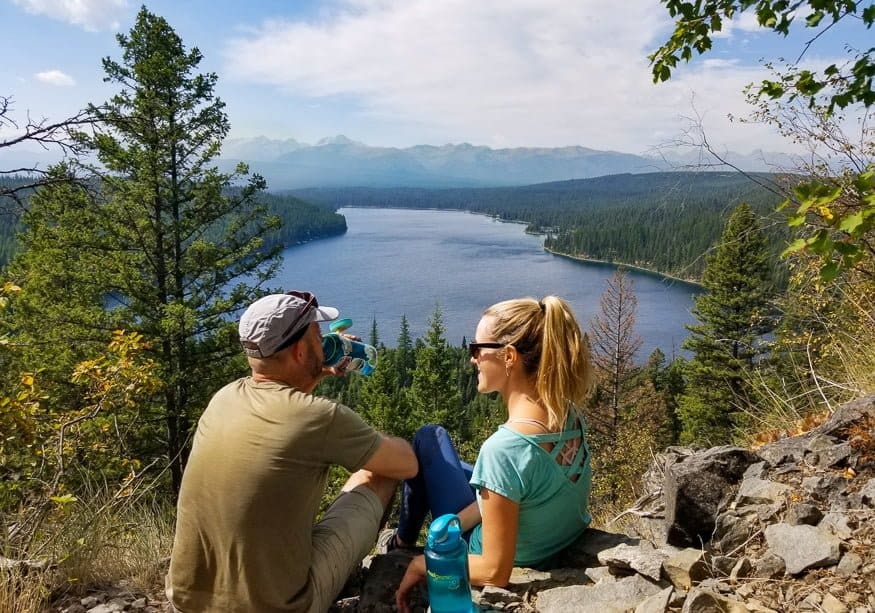
For those who find peace in elevation, a mountain retreat might be ideal. Think crisp air, stunning panoramic views, opportunities for gentle hikes or simply enjoying the silence. Locations in the Swiss Alps, the Rockies, or even smaller, less-known ranges offer a different kind of tranquility.
Forests and woodlands provide a unique sense of enclosure and calm. A cabin nestled in the woods, the scent of pine, and the sounds of wildlife can be incredibly grounding. This type of environment often encourages disconnection from technology and a focus on simpler pleasures.
Urban Escapes That Don’t Overwhelm
While “city break” might not immediately scream “relaxation” for everyone, it absolutely can be a source of calm for the right person. The trick is choosing the right city and approaching it differently than a typical tourist marathon. Instead of rushing from one major attraction to the next, focus on slower, more curated experiences.
Consider cities known for their parks, cafes, and a more laid-back atmosphere. Think of places like Copenhagen, with its hygge culture and charming canals, or Kyoto, with its serene temples and zen gardens. The goal isn’t to see everything, but to savor moments: lingering over a coffee, exploring a quiet neighborhood, visiting a less-crowded museum, or simply people-watching in a beautiful square. Finding a comfortable apartment in a residential area, rather than a bustling tourist hub, can make a significant difference.
Crafting a Relaxing Itinerary (or Lack thereof)
The way you structure your days (or consciously unstructure them) is central to achieving ultimate relaxation. It’s about finding a balance that suits your individual needs for both activity and downtime.
The Art of Doing Very Little
For many, the epitome of a relaxing holiday is one with no schedule at all. This means waking up when you want, deciding what to do (or not do) on a whim, and saying goodbye to obligations. This kind of holiday often involves long, leisurely mornings, extended siestas, and enjoying meals without feeling rushed.
If this is your style, prioritize accommodation that encourages this. A place with a comfortable reading nook, a balcony overlooking a pleasing view, or immediate access to a pool or quiet garden can be perfect. Stock up on good books, perhaps some craft supplies, or simply bring a journal. The goal here is to literally let go of the clock and allow your body and mind to dictate the pace.
Gentle Activities and Mindful Exploration
Even if your ideal holiday isn’t about constant activity, a little gentle engagement can enhance the experience. This isn’t about packed sightseeing tours, but rather activities that are low-stress and enjoyable.
Consider things like short, scenic walks in nature, visiting a local market, attending a cooking class focused on local cuisine, or trying a beginner’s yoga or meditation session. The key is that these activities should feel optional, not obligatory. They should add to your sense of well-being, not detract from it. Exploring a new area slowly, perhaps by cycling or paddleboarding, allows for discovery without the pressure of a tight schedule.
Prioritizing Rest and Sleep
It sounds obvious, but many of us go on holiday exhausted and then fail to truly catch up on sleep. Ultimate relaxation often starts with getting enough quality rest. Make it a point to prioritize sleep. That might mean early nights, afternoon naps, or simply allowing yourself to sleep in without an alarm.
Ensure your accommodation has a comfortable bed and quiet surroundings. Consider bringing an eye mask or earplugs if you’re a light sleeper. The cumulative effect of proper rest can be profoundly restorative, both physically and mentally. It allows your body to heal and your mind to process, leading to a much deeper sense of relaxation than simply being in a new place.
Practicalities for a Stress-Free Getaway
Beyond the big decisions of where and how, a few practical considerations can smooth out the bumps and ensure your relaxing holiday actually stays relaxing.
Unplugging (or Strategically Connecting)
This is a big one. For many, true relaxation isn’t possible if they’re constantly tethered to emails, social media, and news feeds. Consider setting boundaries for screen time. You don’t necessarily have to go completely off-grid, but perhaps designate specific times to check messages, or even delete distracting apps for the duration of your trip.
If you need to stay partially connected, maybe opt for checking emails once a day, or only using your phone for photos and navigation. Inform colleagues and friends beforehand that you’ll have limited availability. The less internal pressure you feel to respond immediately, the more present you’ll be in your relaxing environment.
Packing Light and Smart
Overpacking is a common stressor. Hauling heavy luggage around and having too many choices can actually add to decision fatigue on a holiday meant for decompression. Focus on versatile, comfortable clothing. Pack essentials, and remember you can almost always buy anything you forgot.
Consider a capsule wardrobe that mix-and-matches easily. If you’re going somewhere warm, light fabrics are key. For cooler climates, layers are your friend. The less time you spend worrying about your clothes or struggling with your bags, the more time you have for actual relaxation.
Researching the Little Things (But Not Too Much)
A bit of pre-trip research can prevent small annoyances. Know how you’ll get from the airport to your accommodation, if there’s a local grocery store nearby, or what the local customs are for tipping. These small details can prevent unnecessary stress upon arrival.
However, resist the urge to over-plan every minute detail. Leave room for spontaneity. The point of a relaxing holiday isn’t to tick off a list of perfectly executed plans, but to allow for flexibility and discovery. Know the basics, then let the rest unfold naturally.
In the end, achieving ultimate relaxation on holiday is a deeply personal journey. It’s about being honest with yourself about what truly rejuvenates your spirit, then making conscious choices to support that. Whether it’s the quiet solitude of a mountain cabin, the gentle rhythm of a coastal town, or a slow exploration of a charming city, the perfect holiday is the one that sends you home feeling truly renewed, not just rested, but utterly revived.