
















So, you’re thinking about diving headfirst into Portugal’s incredible food and wine scene, and you’re wondering how to do it right? Smart move. The best way to truly experience the authentic flavors of Portugal, from soul-warming stews to crisp Vinho Verde, is by teaming up with locals who know it best. Essentially, booking a top-rated local food and wine guide is your golden ticket to uncovering those hidden gems and understanding the stories behind every delicious bite and sip.
Why Go Local for Your Culinary Adventures?
Let’s be honest, you can wander into any restaurant and get a decent meal in Portugal. But to get that meal – the one your taste buds will remember for years, the one that feels like you’ve stumbled upon a secret – you need a local. They’re the ones who know the tiny tascas where the best piri-piri chicken is grilled, the vineyards with the most character, and the markets buzzing with fresh, seasonal produce. Their knowledge isn’t just about what’s good; it’s about the history, the traditions, and the passionate people behind it all.
Beyond the Tourist Trail
Think of it this way: every city has its postcards, and then it has its real neighborhoods. A local guide is your GPS to those real neighborhoods, the ones where life happens, where food is more than sustenance – it’s a celebration. They can steer you away from overpriced tourist traps and towards establishments that have been serving generations of locals. This isn’t just about saving money; it’s about experiencing the genuine pulse of Portuguese culture.
Unlocking Culinary Nuances
Portuguese cuisine is rich and varied, with distinct regional differences. A local guide can explain why a dish from the north might be heartier than one from the south, or the subtle differences between various types of bacalhau (salt cod) and how they’re prepared. They’ll introduce you to ingredients you might not have encountered before and teach you how to appreciate their unique qualities.
Finding Your Perfect Guide: What to Look For
Okay, so you’re sold on the idea of a local guide. But how do you pick the right one from the crowd? It’s not just about having a friendly face; it’s about finding someone who aligns with your interests and can deliver the experience you’re hoping for.
Experience and Specialization
Look for guides with a proven track record. Do they have positive reviews? Do they specialize in what you’re interested in? Some guides might focus on wine tours, others on specific culinary traditions, and some might offer a broader overview. If you’re a serious wine buff, a guide with extensive vineyard knowledge is key. If you’re eager to explore street food or traditional markets, find someone who shines in those areas.
Local Knowledge vs. Textbook Facts
The best guides have lived and breathed Portuguese food and wine. They have personal connections, perhaps with chefs, winemakers, or producers. This insider knowledge is invaluable, offering insights you won’t find in any guidebook. They can tell you stories, share anecdotes, and make the whole experience come alive.
Communication and Personality
You’ll be spending a good chunk of time with your guide, so make sure you click! Read reviews about their communication style. Are they engaging? Do they listen to your questions and preferences? A good guide will tailor the experience to you, not just follow a script.
Popular Regions and Their Culinary Highlights
Portugal is a diverse country, and its food and wine reflect that. Each region offers something unique and worth exploring with a local expert.
Lisbon and its Surrounds: A Taste of Tradition and Innovation
Lisbon, the vibrant capital, is a melting pot of flavors. From the iconic Pastéis de Nata to the hearty seafood of the Atlantic, there’s a lot to explore. A local guide can help you navigate the bustling Mercado da Ribeira (Time Out Market) and find the best spots for a traditional “bica” (espresso) and a “pastel de bacalhau.”
Beyond the Belem Tower: Navigating Lisbon’s Food Scene
Your guide can take you on a journey through Alfama’s historic alleys, pointing out hidden taverns where you can savor grilled sardines and listen to Fado. They can also steer you towards innovative restaurants in areas like Bairro Alto and Príncipe Real, showcasing the evolution of Portuguese cuisine.
Wine Adventures from Lisbon: Day Trips to the Douro and Beyond
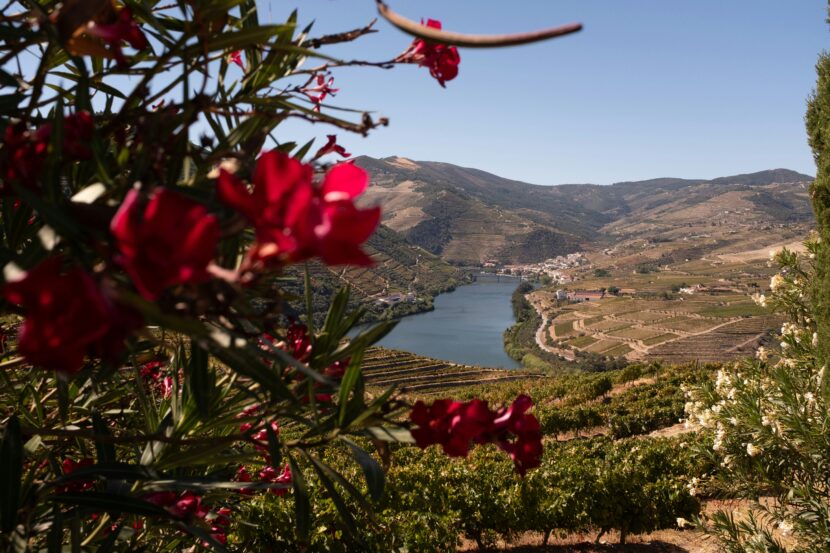
While Lisbon itself has its own beverage scene, a common and highly recommended excursion is a day trip to the nearby wine regions. The Setúbal Peninsula, famous for its Moscatel, or the Alentejo region, known for its robust red wines, are easily accessible. A local guide from Lisbon can arrange seamless transportation and provide an informed tour of these areas, often including tastings and cellar visits.
Porto and the Douro Valley: The Heart of Port and Northern Flavors
Porto is synonymous with Port wine, but its culinary identity goes much deeper. Think hearty stews, delicious bread, and fresh seafood from the nearby coast. A guide here is essential for understanding the complexities of Port wine production and for discovering the best places to try Francesinha, a local sandwich that’s a meal in itself.
Port Wine Cellars: An Insider’s Perspective
No visit to Porto is complete without exploring the Port wine cellars in Vila Nova de Gaia. A local guide can not only take you through the tasting process but also explain the history of the different Port houses and the intricate production methods. They might even have connections to smaller, family-run producers that offer a more intimate experience.
The Foodie Heart of Northern Portugal
Beyond Port, Northern Portugal offers a rich tapestry of flavors. Your guide could introduce you to the artisanal cheese makers, the producers of exquisite olive oils, or the small restaurants serving up traditional dishes like Cozido à Portuguesa (a hearty meat and vegetable stew). They’ll emphasize what makes these northern flavors so distinct.
The Alentejo Region: Rustic Charm and Robust Wines
The Alentejo is Portugal’s largest region, a vast expanse of rolling hills, cork trees, and vineyards. It’s known for its hearty, rustic cuisine and its full-bodied red wines. A local guide can help you explore this tranquil region, introducing you to its unique culinary traditions and its celebrated wine estates.
Alentejo’s Gastronomic Soul: Pork, Bread, and Olive Oil
The Alentejo is the birthplace of some of Portugal’s most prized ingredients, especially black pork (porco preto) and its world-class olive oil. A guide can take you to farms where you can learn about the ethical raising of pigs and the olive oil production process, followed by tastings of these incredible products.
Discovering Alentejo’s Unsung Wine Gems
While the Alentejo’s wines are gaining international recognition, there are still many smaller producers with exceptional character. A local guide will know these hidden gems, taking you to vineyards off the beaten path for intimate tastings and discussions with the winemakers themselves. They’ll help you understand the terroir and the passion that goes into each bottle.
The Algarve: Coastal Delights and Culinary Traditions
The Algarve, Portugal’s southernmost region, is famous for its stunning beaches and fresh seafood. While it’s a popular tourist destination, a local guide can help you discover the authentic culinary experiences beyond the resort towns.
Fresh Catches and Traditional Flavors
From grilled sardines to cataplana (a seafood stew cooked in a copper clam-shaped pot), the Algarve’s cuisine is heavily influenced by the sea. A guide can take you to local fish markets at dawn to see the day’s catch and then to authentic restaurants where you can savor these ocean treasures prepared in traditional ways.
Regional Wines of the Algarve
While not as famous as the Douro or Alentejo, the Algarve also produces some interesting wines. A local expert can introduce you to these regional varietals, often highlighting their freshness and suitability to the local climate and cuisine.
Types of Food and Wine Tours You Can Book
The beauty of booking a local guide is the sheer variety of experiences available. Whatever your preference, there’s likely a tour designed for you.
Guided Food Tours: A Culinary Journey Through Cities
These tours are perfect for getting a comprehensive taste of a city’s food scene. You’ll typically visit multiple locations, sampling a range of local specialties, from pastries and cheeses to cured meats and wines. It’s a great way to discover areas you might otherwise miss.
Market Visits and Street Food Adventures
Some food tours focus on exploring vibrant local markets, learning about seasonal produce and local delicacies. Others delve into the world of Portuguese street food, introducing you to delicious and affordable treats that are a staple of daily life.
Historical and Gastronomic Walks
Many tours blend history with cuisine. A guide will lead you through significant neighborhoods, sharing stories and historical context while stopping at key food and drink establishments that represent the area’s culinary heritage.
Wine Tours: Exploring Portugal’s Viticultural Heartlands
For wine enthusiasts, dedicated wine tours are a must. These often involve visiting multiple vineyards, from large, renowned estates to small, family-run quintas.
Vineyard Visits and Tastings
The core of a wine tour involves visiting vineyards, learning about the grape varietals, the winemaking process, and, of course, enjoying tastings. Many tours also include cellar visits, where you can see the barrels and learn about aging.
Grape Varietal Deep Dives and Terroir Exploration
Some specialized wine tours focus on specific grape varietals or regions, allowing for a deeper understanding of Portugal’s diverse wine landscape. The concept of “terroir” – how the environment influences the wine – is often a key focus.
Private vs. Group Tours: Choosing Your Style
The decision between a private and group tour often boils down to your budget, your travel companions, and your desired level of intimacy.
Intimate and Customizable Private Tours
Private tours offer the ultimate in flexibility and personalization. You can tailor the itinerary to your specific interests, pace, and dietary needs. This is ideal for couples, families, or groups of friends who want a truly bespoke experience.
Engaging and Social Group Tours
Group tours can be more budget-friendly and offer the chance to meet other travelers with similar interests. They provide a structured experience, and reputable guides ensure a good group dynamic.
Booking Tips for a Seamless Experience
To ensure your food and wine adventure in Portugal is everything you hoped for, keep a few booking tips in mind.
Read Reviews Carefully
This is your most important tool. Look for consistent praise regarding the guide’s knowledge, friendliness, organization, and ability to cater to different tastes and dietary needs. Pay attention to reviews that mention specific food or wine experiences that resonate with you.
Check the Itinerary and Inclusions
Make sure you understand what the tour includes – are meals covered? Is transportation included? Are all tastings part of the package, or are there extra costs? A clear itinerary helps manage expectations.
Communicate Your Needs in Advance
If you have dietary restrictions (vegetarian, vegan, allergies, etc.), are a non-drinker, or have any mobility concerns, communicate this to the guide before booking or well in advance of the tour. Reputable guides are usually very accommodating, but they need to know to plan accordingly.
Consider the Time of Year
Portugal offers fantastic food and wine experiences year-round. However, visiting during harvest season (late summer/early autumn) can offer unique opportunities to see the grape picking and early stages of winemaking. Spring and early summer are great for fresh produce and pleasant weather for walking tours.
The Lasting Impact of a Local Expert
Ultimately, booking a top-rated local food and wine guide in Portugal isn’t just about eating and drinking; it’s about gaining a deeper appreciation for the country’s heritage, its people, and the passion that goes into every aspect of its culinary traditions. You’ll leave with a full stomach, a richer understanding, and memories that will last long after your last sip of Vinho Verde. It’s an investment in experiencing Portugal in its truest, most delicious form.
FAQs
What are some top-rated local food and wine guides in Portugal?
Some top-rated local food and wine guides in Portugal include “The Wine Bible” by Karen MacNeil, “The Food of Portugal” by Jean Anderson, and “Portugal: The Cookbook” by Leandro Carreira.
Where can I find these local food and wine guides in Portugal?
These local food and wine guides can be found in major bookstores, online retailers such as Amazon, and specialty bookshops in Portugal.
What types of local food and wine information can I expect to find in these guides?
These guides typically include information on traditional Portuguese dishes, regional wine varieties, recommended restaurants and wineries, and tips for pairing food and wine.
Are these guides available in multiple languages?
Yes, some of these guides are available in multiple languages, including English, Portuguese, and Spanish, making them accessible to a wider audience.
Can I purchase these guides as e-books or digital downloads?
Yes, many of these local food and wine guides are available as e-books or digital downloads, allowing for easy access and portability while traveling in Portugal.