












So, you’re wondering about weddings and celebrations? It’s a big question, isn’t it? Ultimately, they’re about marking important moments in our lives with people we care about. Think of them as personalized parties with a purpose, whether it’s starting a marriage, marking a milestone birthday, or welcoming a new baby. The core idea is to create a memorable experience that reflects who you are and what that event means to you. It’s less about tradition for tradition’s sake and more about crafting something that feels right for the individuals and families involved.
Before diving into the “how,” it’s useful to think about the purpose. Celebrations aren’t just obligations; they serve deep human needs. They’re about connection, marking transitions, and building shared memories.
The Human Need for Commemoration
We’re wired to mark time and significant events. Think about it – even simple things like anniversaries or holidays are ways we acknowledge the passage of time and the people we share it with. Celebrations, especially bigger ones, allow us to pause our busy lives and focus on what truly matters. They create anchors in our personal histories.
Building Bonds and Community
Sharing a celebration with loved ones strengthens relationships. It’s a chance to reconnect, catch up, and often, to introduce different circles of friends and family to each other. This communal aspect is vital for building a support network and fostering a sense of belonging.
Personal Milestones and Life Transitions
Weddings are the most obvious example, but think about graduations, retirements, significant birthdays, or even the naming of a child. These are all junctures where we formally acknowledge a shift in our lives. A celebration provides a structured way to recognize and honor this transition, both for ourselves and for those close to us.
Wedding Bells: More Than Just “I Do”
Weddings, in particular, have evolved quite a bit. While the legal and symbolic act of marriage remains central, the way couples express this commitment is incredibly diverse. It’s a canvas for individual expression.
The Modern vs. Traditional Wedding Spectrum
Gone are the days where everyone followed the same script. Today, you see everything from elopements on a mountaintop to elaborate, multi-day cultural events. The key is finding the balance between what feels authentic and what makes sense for your budget and guest list.
Traditional Elements and Their Meaning
While some couples opt for non-traditional paths, many still incorporate elements that have historical or cultural significance. Understanding the origin of these traditions can help couples decide if they want to keep them, adapt them, or let them go. For example, the exchange of rings symbolizes eternity and commitment, a concept that resonates across many cultures. The cutting of the cake is often seen as the couple’s first cooperative act.
Embracing Personalization and Individuality
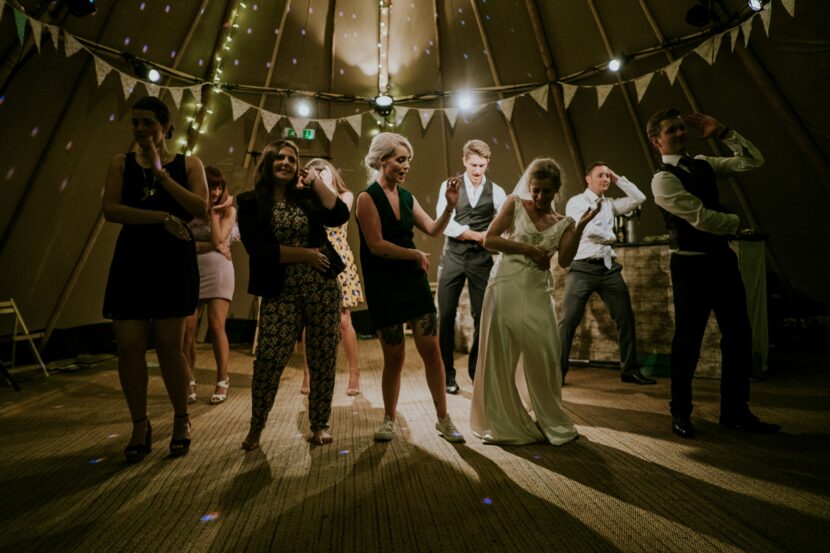
This is where weddings really shine now. Couples are injecting their personalities into every aspect. This could be through unique vows, a playlist of songs that tell their story, or food stations that cater to diverse tastes. It’s about making the day a true reflection of the couple, not just a generic event.
The Guest Experience: A Crucial Component
A wedding isn’t just for the couple; it’s an experience for everyone attending. Thinking about guest comfort and enjoyment is paramount for a successful celebration.
Logistics and Comfort
Consider practicalities: is the venue accessible? Is there enough parking? What’s the weather likely to be like, and how will that affect guests? Providing clear information well in advance (think save-the-dates and detailed invitations) goes a long way in reducing guest stress.
Engagement and Entertainment
People come to celebrate with you. Providing opportunities for them to do so is key. This could be through interactive elements, games, or simply creating a relaxed atmosphere where conversations can flow easily. It’s important to strike a balance between planned activities and downtime.
Budgeting for Your Big Day
Weddings can be expensive, but they don’t have to break the bank. Smart planning and prioritizing can help.
Realistic Financial Planning
The first step is having an honest conversation about what you can afford. Look at your savings, consider potential contributions from family, and be realistic about borrowing. It’s better to scale down the dream than to start married life with overwhelming debt.
Prioritizing Your Spending
Once you have a budget, decide what’s most important to you. Is it the photography, the food, the venue, or the music? Allocate your funds accordingly. You might find that you’re happy to spend less on flowers if it means having a fantastic band.
Cost-Saving Strategies
DIY can work, but only if you have the time and skills. Consider off-peak seasons or weekdays for venue hire. For food, think about buffet or food truck options instead of formal plated meals. Explore less conventional venues that might have lower overheads.
Beyond Weddings: Other Celebrations

While weddings are a major focal point in the celebration world, many other life events warrant a special gathering.
Milestone Birthdays: Marking the Years
Significant birthdays – like the 18th, 21st, 30th, 40th, 50th, and so on – are great opportunities for focused celebrations. These aren’t just about getting older; they’re about acknowledging accomplishments and looking forward.
Themes and Tributes
A fun theme can really bring a birthday party to life. Think about the birthday person’s interests or a particular era they love. It’s also a chance for guests to share memories and tributes, making the person feel truly special.
Intimate Gatherings vs. Grand Affairs
A milestone birthday can be a lavish party or a quiet, meaningful dinner with close family. The choice depends entirely on the person being celebrated and their preferences. Don’t feel pressured to do something “big” if that’s not their style.
Anniversaries: Celebrating Enduring Love
Whether it’s a first anniversary or a golden one, recognizing enduring relationships is important. These celebrations are often more intimate and focus on the couple’s journey.
The Significance of Silver and Gold
Traditional anniversary gifts and themes (like silver for 25 years or gold for 50) can add a lovely touch, but the most important thing is to honor the commitment itself.
Renewal of Vows
For many couples, renewing vows on a significant anniversary is a powerful way to recommit to each other and often involves renewing the celebration with loved ones.
Baby Showers and Welcomings: Embracing New Life
The arrival of a child is a joyous occasion that calls for celebration and support for the expectant parents.
Pre-Baby and Post-Baby Gatherings
Baby showers are typically held before the baby arrives, focusing on showering the parents with gifts and good wishes. Post-baby gatherings, like christenings or naming ceremonies, often happen after the birth and involve welcoming the child into the family and community.
Focusing on the Parents and the Baby
The emphasis can be on preparing the parents for the new arrival or on celebrating the child itself. It’s a chance for friends and family to offer practical help and emotional support during a time of significant change.
Planning for Success: Practical Steps

Whether it’s a wedding or a smaller celebration, good planning is the bedrock of a successful event.
Guest List Management
This is often one of the trickiest parts of planning any event. Be clear about your priorities.
Defining Your Circles
Who are your absolute must-haves? Who would be nice to have? Differentiating between close family, best friends, extended family, and acquaintances can help you navigate difficult decisions.
The Importance of RSVPs
Don’t chase RSVPs endlessly. Set a firm deadline and politely follow up with those who haven’t responded. This is crucial for accurate catering and seating arrangements.
Venue Selection
The right venue sets the tone for your entire celebration. Consider what kind of atmosphere you want to create.
Matching the Venue to the Vibe
A rustic barn lends itself to a different feel than a sleek city hotel ballroom. Think about the overall aesthetic and whether it aligns with your vision.
Practical Considerations
Beyond aesthetics, think about capacity, available amenities (kitchen facilities, restrooms, AV equipment), accessibility for guests with disabilities, and any noise restrictions.
Food and Drink: Fueling the Festivities
This is often a major highlight for guests, so it’s worth investing time here.
Catering Styles: From Formal to Casual
Consider plated dinners, buffets, food stations, or even a more relaxed cocktail reception with canapés. Each style offers a different experience and has different cost implications.
Dietary Needs and Preferences
It’s essential to cater to common dietary requirements like vegetarian, vegan, gluten-free, and allergies. Always ask guests about these needs on your RSVP.
Entertainment and Atmosphere
This is what your guests will remember most long after the event has passed.
Music: The Heartbeat of the Party
Whether it’s a live band, a DJ, or a carefully curated playlist, music sets the mood. Think about the energy you want at different stages of the celebration.
Beyond Music: Other Forms of Engagement
Consider a photo booth, lawn games, a fire pit for conversation, or even a magician for a unique touch. The goal is to create opportunities for interaction and fun.
The Post-Celebration Wrap-Up
| Category | Metrics |
|---|---|
| Weddings | Number of weddings |
| Celebrations | Number of anniversaries, birthdays, and special events |
| Expenses | Total expenses for weddings and celebrations |
| Guests | Total number of guests attending weddings and celebrations |
The party might be over, but there are still a few important things to consider.
Thank You Notes: A Touch of Grace
A heartfelt thank you note, whether handwritten or a well-crafted email, shows your appreciation to guests for their presence and any gifts.
Reviewing and Reflecting
Take some time to look back on the event. What worked well? What could have been done differently? This is valuable information for any future celebrations.
Preserving Memories
Take photos, collect mementos, and encourage guests to share their pictures. These memories are invaluable.
In essence, weddings and celebrations are about creating meaningful experiences. They are opportunities to acknowledge life’s significant passages, reinforce our connections with others, and build a tapestry of cherished memories. The “how” is entirely personal, offering a vast landscape for creativity and individuality, all underpinned by thoughtful planning and a genuine desire to share joy.